Science-Backed Rituals for Hormonal Balance, Sleep and Mood. Free Shipping.
 Terrapy Home
Search
Fructooligosaccharides (FOS)
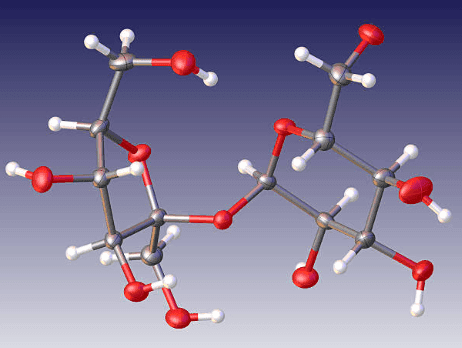
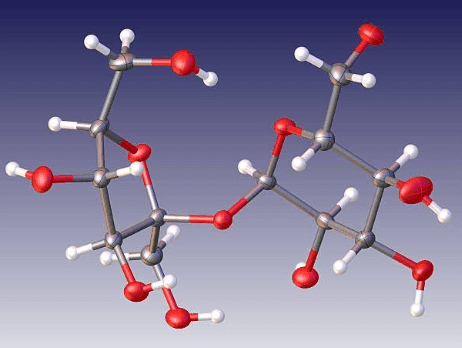
FOS are short-chain fructans (oligosaccharides) composed of fructose units (often produced from inulin or sucrose
Common Name
Fructooligosaccharides,
FOS,
oligofructose,
short-chain fructans
Parts Used
chicory root, Jerusalem artichoke, agave, and some vegetables/fruit
Native To
Naturally found worldwide in many plants (e.g., chicory, Jerusalem artichoke, onion, garlic, banana
Historical and Traditional Uses:
FOS are not a “traditional medicine” per se but are components of traditional foods (roots, bulbs, certain fruits). Their modern use as a prebiotic food ingredient and supplement expanded from the 1980s onward after research showed they selectively stimulate beneficial gut bacteria (bifidogenic effect).
Chemical Composition:
- Structure: Short chains of fructose units (degree of polymerization typically 2–10) often ending in a glucose (a fructosyl-fructose chain). Common molecules: kestose (GF₂), nystose (GF₃) and longer oligomers.
- Source/Production: Enzymatic conversion from sucrose or partial hydrolysis of inulin; commercial FOS mixtures vary in chain length and purity
Pharmacological Properties:
- Non-digestible by human enzymes: FOS pass undigested to the colon. Selective fermentation: Commensal gut bacteria (notably Bifidobacterium and some Lactobacillus spp.) preferentially ferment FOS, producing short-chain fatty acids (SCFAs) such as acetate, propionate and butyrate. This generates a “bifidogenic effect” and changes microbial community structure and metabolite profile.
- Downstream effects: SCFAs can lower colonic pH (discouraging some pathogens), provide energy for colonocytes, modulate immune signaling, and influence mineral absorption and intestinal transit.
Evidence-Based Uses and Benefits:
- Promotes beneficial gut bacteria (bifidogenic effect) Strong evidence
- Multiple RCTs and meta-analyses show FOS increases the relative abundance of Bifidobacterium and often Lactobacillus, plus increases fecal SCFAs. This is the most consistently reproduced effect.
- Improves some measures of constipation and stool frequency/consistency Good evidence
- Clinical trials in infants and adults with functional constipation found improved stool frequency and softer stools with FOS supplementation versus placebo in several studies and meta-analyses. Doses and effect size vary by population.
- Enhances mineral (calcium) absorption Moderate evidence
- Prebiotics including FOS and inulin type fructans have been shown in trials to modestly increase calcium absorption and may benefit bone mineralization especially in younger populations, though the size of effect and long-term clinical significance varies.
- Metabolic health signals (glucose, lipids, weight) Mixed / emerging
- Animal models and some human studies suggest FOS may favorably affect lipid metabolism, glycemic responses and body weight via microbiota-mediated pathways, but human RCTs are heterogeneous. One high-dose trial noted short-term adverse effects on glucose metabolism with large bolus FOS/GOS doses so dose and context matter.
- Potential to reduce antibiotic-associated dysbiosis / diarrhea
- By promoting resilient beneficial bacteria, FOS may help microbial recovery after antibiotics; evidence is promising but not uniformly conclusive
Counter Indications:
- Severe small intestinal bacterial overgrowth (SIBO) or severe active inflammatory bowel disease (IBD) with strictures): fermentable fibers can exacerbate symptoms in some patients use with clinician guidance.
- Known intolerance to FOS / excessive fermentable carbohydrate sensitivity: those with marked bloating after FODMAPs may poorly tolerate FOS
Side Effects:
- Most common (dose-dependent): flatulence, bloating, abdominal discomfort, rumbling — typically start when dose is increased and may decrease over time. Mild diarrhea can occur at higher intakes. These are the main tolerability limits. Typical symptomatic doses often appear above a few grams/day for sensitive individuals.
- Severe adverse events: rare. Excessive high single doses may transiently affect glucose metabolism in some settings (one trial flagged adverse post-prandial glucose effects at high short-term doses). Monitor metabolic effects if using very high doses or in people with impaired glucose tolerance.
Drug Interactions:
- Direct drug interactions: there are no well-documented pharmacokinetic interactions between FOS and conventional medicines because FOS is not absorbed systemically and acts in the colon. Most standard references report no direct drug interactions.
- Indirect interactions via microbiota: because FOS changes gut microbiota and SCFA production, it could in theory alter gut metabolism of certain drugs or herbals that are microbiota-dependent (example: some herbal constituents are metabolized by gut bacteria). Evidence for clinically relevant interactions is limited, but this is a plausible mechanism warranting caution if the patient is on narrow-therapeutic-index drugs that are known to be microbiota-metabolized.
- Concomitant probiotics: FOS is often used together with probiotic strains (synbiotic approach); these combinations are generally safe and may be synergistic for increasing bifidobacteria.
Research and White Papers with Links:
- Bifidogenic and microbiota effects (RCTs & analyses): https://pmc.ncbi.nlm.nih.gov/articles/PMC9413759/
- Constipation clinical trials & meta-analyses: https://pmc.ncbi.nlm.nih.gov/articles/PMC11675838/
- Safety / tolerability: https://pmc.ncbi.nlm.nih.gov/articles/PMC8556222/
Conclusions:
- What FOS reliably does: increases beneficial Bifidobacterium and SCFA production in the colon (bifidogenic prebiotic). This is the strongest, most reproducible effect across ages.
- Clinical uses with reasonable evidence: helpful adjunct for some cases of functional constipation, may modestly improve mineral absorption, and supports a healthier colonic environment.
- Tolerability: main limitation is fermentative GI symptoms (gas, bloating, cramps) — start low and titrate. People with FODMAP sensitivity, active severe IBD or SIBO may need to avoid or trial under supervision. Interactions: no common direct drug interactions documented; consider theoretical microbiota-mediated effects in complex drug regimens.


Tips, Updates & Stories
We respect your privacy. No spam, only wellness.


Tips, Updates & Stories
We respect your privacy. No spam, only wellness.
© 2025 Terrapy. All Rights Reserved.
