Terrapy Home
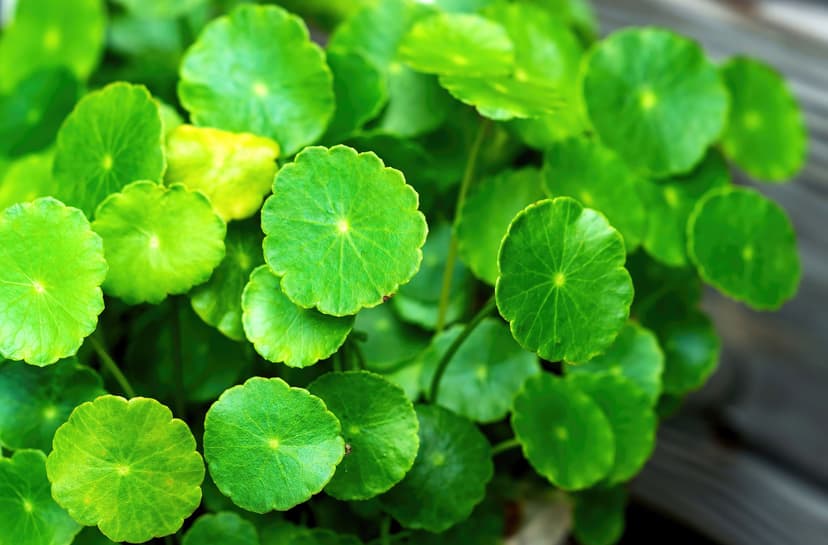
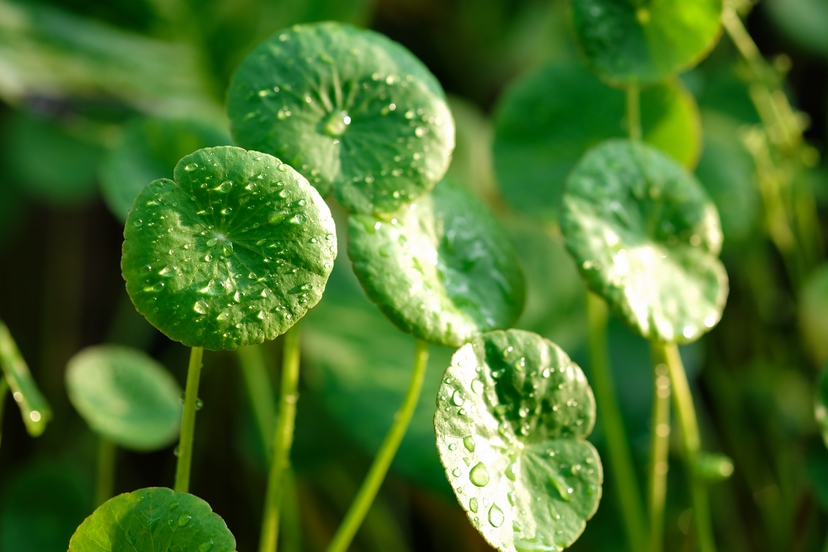
Common Name
Gotu kola, Indian pennywort, Mandukaparni
Family
Apiaceae (subfamily Mackinlayoideae)
Parts Used
Aerial parts (leaves and stems); standardized extracts of triterpenes (e.g., TTFCA) for oral use; madecassoside/asiaticoside for topical use
Native To
Wetlands of South and Southeast Asia; naturalized in Africa, Oceania, and parts of the Americas
Historical and Traditional Uses:
Ayurveda and traditional Southeast Asian medicine have used gotu kola as a medhya rasayana (cognitive tonic), for wound healing, skin disorders, and as a mild anxiolytic and adaptogen. Externally it has long been applied to wounds, burns, and scars.
Chemical Composition:
- Triterpenoid saponins: asiaticoside, madecassoside (glycosides) and their aglycones asiatic acid, madecassic acid principal pharmacological actives and analytical markers.
- Flavonoids & phenolic acids: quercetin, kaempferol derivatives; chlorogenic and caffeic acids (antioxidant support).
- Volatile constituents & amino acid: minor contribution. Standardized oral extracts often use TTFCA (Total Triterpenic Fraction of C. asiatica) typically containing 40% triterpenes (asiatic/madecassic acids), while topical dermatology products emphasize madecassoside/asiaticoside content.
Pharmacological Properties:
- Wound/skin repair: Up-regulates collagen I/III synthesis, increases fibroblast proliferation and angiogenesis, modulates TGF-β/Smad and MAPK signaling; anti-inflammatory via down-regulating NF-κB/COX-2.
- Vascular/microcirculatory: Improves capillary filtration, venous tone, and endothelial function; reduces edema and capillary hyperpermeability in chronic venous insufficiency (CVI).
- Neurocognitive/anxiolytic: GABA-ergic and BDNF-related effects seen preclinically; small human studies suggest anxiolysis and attention/working-memory support.
- Antioxidant & anti-inflammatory: Scavenges ROS, increases SOD, catalase, glutathione; reduces inflammatory cytokines.
Evidence-Based Uses and Benefits:
1.Chronic Venous Insufficiency & Microcirculation (strongest human signal)
- Multiple randomized and controlled studies of TTFCA 60–180 mg/day (8–12 weeks) show reduced ankle edema, improved microcirculatory parameters (capillary filtration rate, ankle circumference), and symptom relief (heaviness, cramps) in CVI.
2.Wound Healing / Scar Care (topical; moderate human evidence)
- Madecassoside/asiaticoside creams (0.1–1%) and silicone-based combinations accelerate re-epithelialization of partial-thickness wounds; small RCTs and split-scar trials suggest improved scar pliability and decreased symptoms in postsurgical and burn scars.
3.Anxiety / Stress
- Double-blind crossover work found reduced startle response and self-reported anxiety after acute gotu kola 12 g dried herb (or equivalent extract) compared with placebo; small parallel studies show modest anxiolysis over 4–8 weeks.
4. Cognition (preliminary)
- Small trials in healthy older adults report improvements in working memory and mood with water extract 500–750 mg/day vs placebo; a pilot in post-stroke patients suggested additive cognitive benefits with folate.
5. Diabetic Neuropathy / Microangiopathy
- Open/controlled studies combining TTFCA with micronutrients showed neuropathic symptom improvement and microcirculatory benefits; requires confirmation in independent RCTs.
Claims with insufficient evidence: cellulite reduction (topicals often include caffeine/retinoids), psoriasis/eczema disease modification (symptomatic relief possible, robust disease-modifying data lacking).
Counter Indications:
- Pregnancy & Lactation: Insufficient safety at medicinal doses; avoid oral high-dose extracts.
- Severe liver disease or prior herb-related liver injury: Rare hepatotoxicity case reports have occurred with high-dose/prolonged oral use or poor-quality products; avoid or monitor LFTs.
Known allergy to Centella preparations (rare) or to excipients in cosmetics.
Side Effects:
- Oral: GI upset, nausea, headache, dizziness, pruritus; rare transaminitis (stop if fatigue, dark urine, jaundice).
- Topical: Occasional irritant or allergic dermatitis; patch-test on sensitive skin.
- Sedation: Mild calming effect in some users; consider timing (evening)
Drug Interaction:
- Sedatives/anxiolytics (benzodiazepines, antihistamines, kava, valerian, L-theanine): Possible additive CNS-depressant effects (clinical significance usually low; monitor).
- Hepatotoxic drugs (e.g., high-dose acetaminophen, certain TB/antifungal meds): Theoretical additive liver risk; monitor LFTs if combined long-term.
- Antidiabetics/antihypertensives: No consistent interactions shown; isolated reports suggest monitoring if large oral doses are used for microcirculatory/neuropathic aims.
- Topical retinoids/actives: Generally compatible; many dermatologic products pair madecassoside with retinoids to improve tolerance.
Research and White Papers with Links:
1.CVI & microcirculation: edema and capillary filtration. https://pmc.ncbi.nlm.nih.gov/articles/PMC3116297/ 2.Wound/scar & dermatology: https://pmc.ncbi.nlm.nih.gov/articles/PMC11510310/ 3.Anxiety/cognitive outcomes in older adults: https://pmc.ncbi.nlm.nih.gov/articles/PMC9650315/
Conclusions:
Centella asiatica is a skin- and vessel-active botanical with the best clinical support for: CVI symptom relief and microcirculatory improvement (oral TTFCA 60–180 mg/day), and topical wound/scar care (madecassoside/asiaticoside-containing creams). Evidence for anxiety reduction and cognition support is promising but preliminary. The herb is generally well tolerated, with rare hepatic events reported at high doses/poor quality; choose standardized products, use appropriate durations, and monitor when combining with CNS depressants or hepatotoxic medications. For dermatology, Centella-based topicals are a low-risk, patient-friendly adjunct that can improve barrier repair and scar outcomes.