
Biohacking Your Hormones: What’s Hype and What’s Helpful?
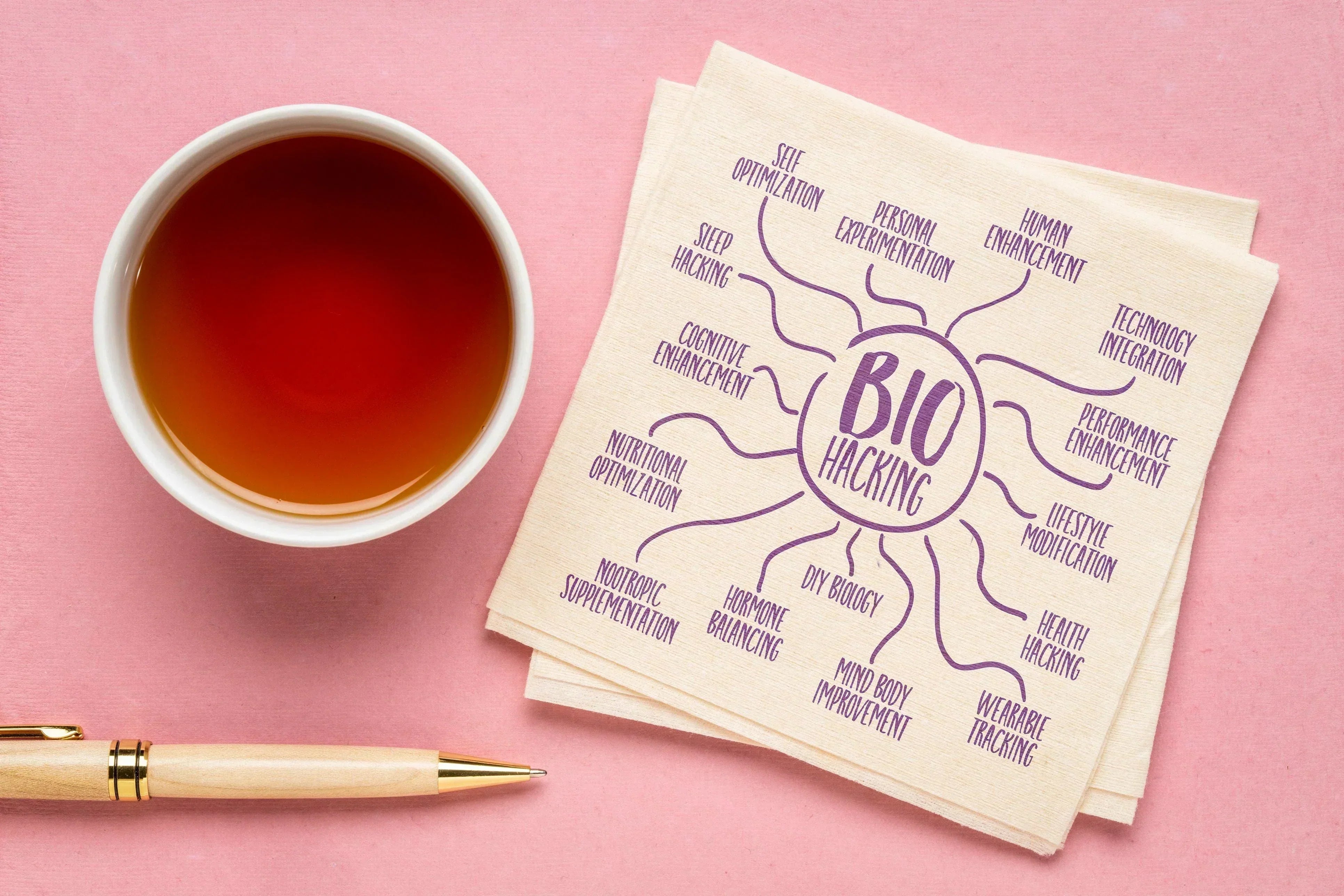
Biohacking has become a buzzword, promising everything from better energy levels to glowing skin—all by tweaking your body’s natural systems. At its core, biohacking is about making small, intentional changes to optimize your biology and well-being. But when it comes to hormones, the stakes are high.
Hormones control everything from mood to metabolism, so you don’t want to mess around with unproven hacks. Let’s break down some popular hormonal biohacking trends and figure out what’s legit and what’s just hype.
What Is Biohacking?
Biohacking refers to using science, lifestyle changes, and sometimes technology to optimize your body and mind. It can range from simple habits, like improving your sleep routine, to advanced interventions, like tracking biomarkers or experimenting with supplements. When it comes to hormones, biohacking aims to improve hormonal balance to boost energy, mood, and overall health.
Intermittent Fasting: The Darling of Biohackers
Intermittent fasting (IF) is hailed as a miracle for weight loss, longevity, and yes, even hormone balance. Proponents claim that fasting helps regulate insulin, boost growth hormone, and improve reproductive health.
IF can indeed help stabilize insulin levels, especially for people with insulin resistance. However, for women, the benefits depend on the individual. Overdoing it or fasting too long can disrupt cortisol levels and even mess with menstrual cycles. If you’re trying this, start slow—like a 12-hour fast—and listen to your body.
Cold Showers and Cryotherapy: The Chill Factor
Cold exposure is said to improve circulation, reduce inflammation, and increase norepinephrine, a hormone linked to mood and focus.
Cold showers and cryotherapy do have some evidence to back them up, particularly for reducing inflammation and stress. However, the hormonal benefits are less clear-cut. That said, a quick cold shower in the morning can definitely give you a mental and physical jolt to start your day. Just don’t expect it to cure all your hormonal woes.
Adaptogenic Herbs: Nature’s Hormone Helpers?
Ashwagandha, maca, and holy basil are among the adaptogens said to balance stress hormones like cortisol and even support reproductive health.
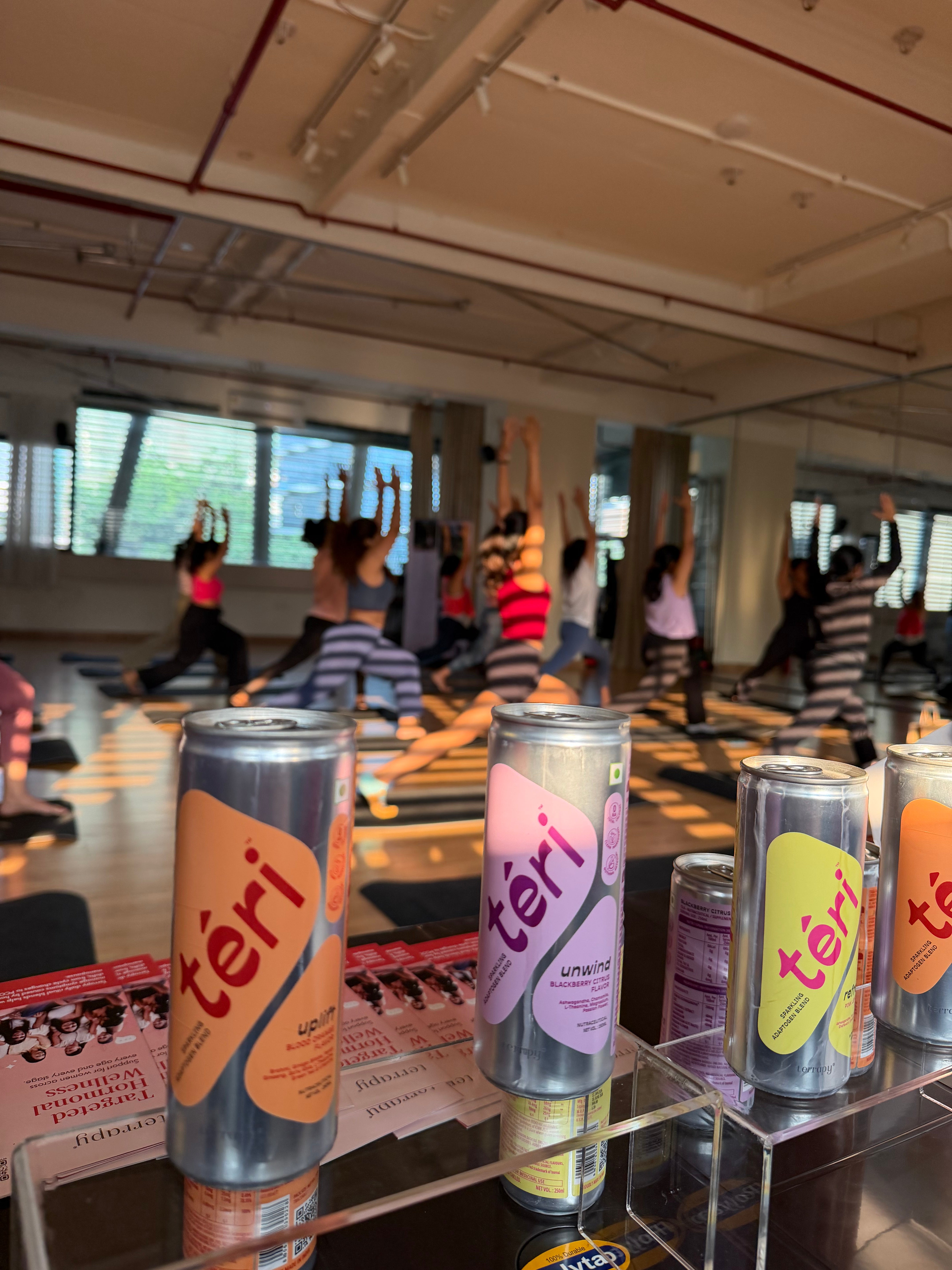
Adaptogens can indeed help your body adapt to stress, which indirectly supports hormonal balance. For example, studies show ashwagandha can lower cortisol levels, and maca may improve symptoms of menopause. These herbs are generally safe, but they’re not magic pills. Think of them as supplements to a healthy lifestyle, not replacements for it.
Blue Light Blocking: Screen Time and Sleep
Blocking blue light from screens before bed is said to boost melatonin production, helping you sleep better and keep stress hormones in check.
This one’s solid. Blue light does interfere with melatonin, the hormone that regulates sleep. Using blue light-blocking glasses or reducing screen time an hour before bed can make a noticeable difference in your sleep quality. And better sleep means better hormonal health overall.
Ketogenic Diet: Fat-Fueled Hormonal Bliss?
Keto enthusiasts claim this high-fat, low-carb diet stabilizes insulin, boosts testosterone, and improves energy.
The keto diet can stabilize insulin, which is great for some people. However, for women, going too low-carb can sometimes disrupt thyroid hormones. A modified version of keto with more healthy carbs may be a better fit if you’re concerned about your hormonal health.
Red Light Therapy: The Light at the End of the Biohacking Tunnel?
Red light therapy devices are marketed as a way to boost testosterone, reduce stress, and even improve skin.
Red light therapy has some promising research for reducing inflammation and aiding recovery. While direct hormonal benefits aren’t fully proven, it may support overall health, which indirectly impacts your hormones. Just be wary of overpriced gadgets with dubious claims.
Biohacking your hormones isn’t about chasing every trend; it’s about informed choices. Start with the basics—consistent sleep, balanced meals, stress management, and regular exercise.
If you want to try a biohack, pick one that’s low-risk and supported by some evidence. Remember, your hormones thrive on balance, not extremes. A little science-backed tweaking can go a long way, but there’s no substitute for the fundamentals of good health.
FAQs: Biohacking Your Hormones
Can you really balance hormones naturally?
Hormones are influenced by many factors, including nutrition, sleep, stress, physical activity, age, and genetics. While lifestyle changes cannot "fix" every hormonal condition, they can support healthy hormone function.
Is hormone testing necessary before trying hormone biohacks?
Not always, but testing can be valuable if you're experiencing persistent symptoms such as fatigue, irregular periods, weight changes, mood swings, or sleep disturbances.
Do wearable devices help improve hormone health?
Wearable devices can help track factors that indirectly affect hormones, such as sleep quality, heart rate variability, activity levels, and stress patterns.
Can cold plunges and ice baths balance hormones?
Cold exposure may temporarily increase alertness, improve mood, and activate certain stress-response pathways in the body. Some studies suggest potential benefits for recovery and resilience, but there is limited evidence that cold plunges directly balance female hormones.
Are adaptogens really helpful for hormone health?
Adaptogens such as ashwagandha, rhodiola, and holy basil are herbs believed to help the body adapt to physical and emotional stress. Some research suggests they may support stress resilience and cortisol balance.
Can biohacking help during perimenopause and menopause?
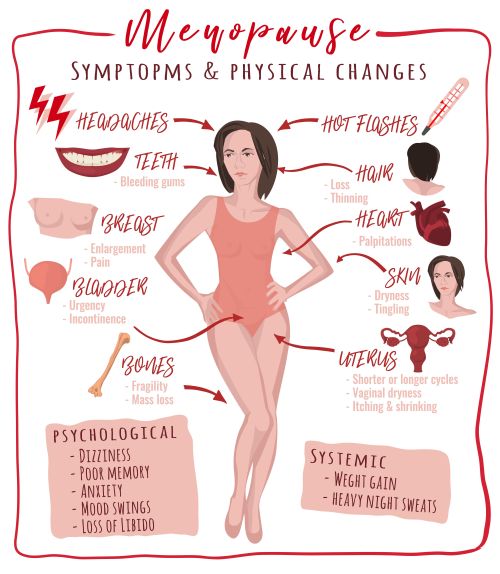
Many evidence-based biohacking practices can support women during hormonal transitions. Prioritizing sleep, strength training, stress management, balanced nutrition, and targeted supplementation may help manage symptoms such as fatigue, mood changes, poor sleep, and metabolic shifts.
What are the most effective science-backed hormone biohacks?
The most reliable hormone-supportive strategies are often the least glamorous. Research consistently supports prioritizing quality sleep, eating a nutrient-rich diet, engaging in regular physical activity, managing stress, maintaining a healthy body composition, limiting excessive alcohol consumption, and addressing nutrient deficiencies.