


Managing gut health during festive season: The Do's and Don't's
The way to my heart is through my stomach
I visited my partner's parents for the first time in October this year. They are Bengali so they really know how to do Durga Pooja. Each day of the week, we had a menu set, to make sure there was something delicious for us to eat for all three meals — and of course, for the afternoon snacks. I'm talking pakode, chilli chicken, fried rice, egg curry, mutton curry, dosa, rasagullas (of course!), sandesh. Basically, we were not joking around.
Three days in, I felt my stomach cramp and popped a pan 40. Our dog, Coco, joined me and took medicine for his stomach too — I got to know later that he ate the same as me. And god, I swear, from then on, I had to eat one pill every day at least. And I found myself asking for dal chawal.
So disappointing.
This is me, every festive season. I know I'll do this on Diwali and Christmas too. I just know it. But this has the potential to ruin the celebrations for me because food is such a big part of it.
Did you know that the universe works against us? I mean, gut [health](https://time.com/7020911/women-gut-health-ibs-ibd/) issues are more common in women because “the female hormones estrogen and progesterone have a profound effect on the GI tract in terms of motility, pain sensitization, and how the brain delivers messages to the GI tract”
This one really pissed me off. So, keeping my partner in cohorts, I've decided to come up with some do’s and don'ts for my gut health during the festive season. And they might help you if you're anything like me.
Do’s
* Drink a ton of water. It's not negotiable. Chronic dehydration can lead to gut inflammation. Water helps support beneficial gut bacteria, which are important for digestion. And I know you forget, so carry a bottle with you everywhere you go, that'll serve as a good reminder.
* Catch up on your sleep. I mean of course, we're not following a strict nighttime routine during the festivals, but don't go too many sleepless nights. Sleep helps to maintain gut health since it fosters good microbes in your gut. Two sleepless nights (or less sleep), are already too much for your [gut](https://www.sleep.com/sleep-health/how-gut-health-impacts-sleep#:~:text=Good%20sleep%20helps%20the%20gut%20%E2%80%A6&text=%E2%80%9CStudies%20have%20found%20that%20sleep,stress%20hormones%20in%20the%20body.%E2%80%9D).
* Have your meals timely. Your meals won't be the healthiest, and that's okay. But it's important to maintain the timings of your meals as you generally would. Don't skip any meals and rather than relying on a late-night snack, choose a rich dinner if you'd like.
- Have probiotics. Practically, a lot of curd! This helps balance the rich food that you're likely to have during this time.
Begin your day with fibre. You'll thank yourself. Some of my favourites are nuts, seeds, fruits and sweet potatoes! They all help with digestion and are delicious.
Don'ts
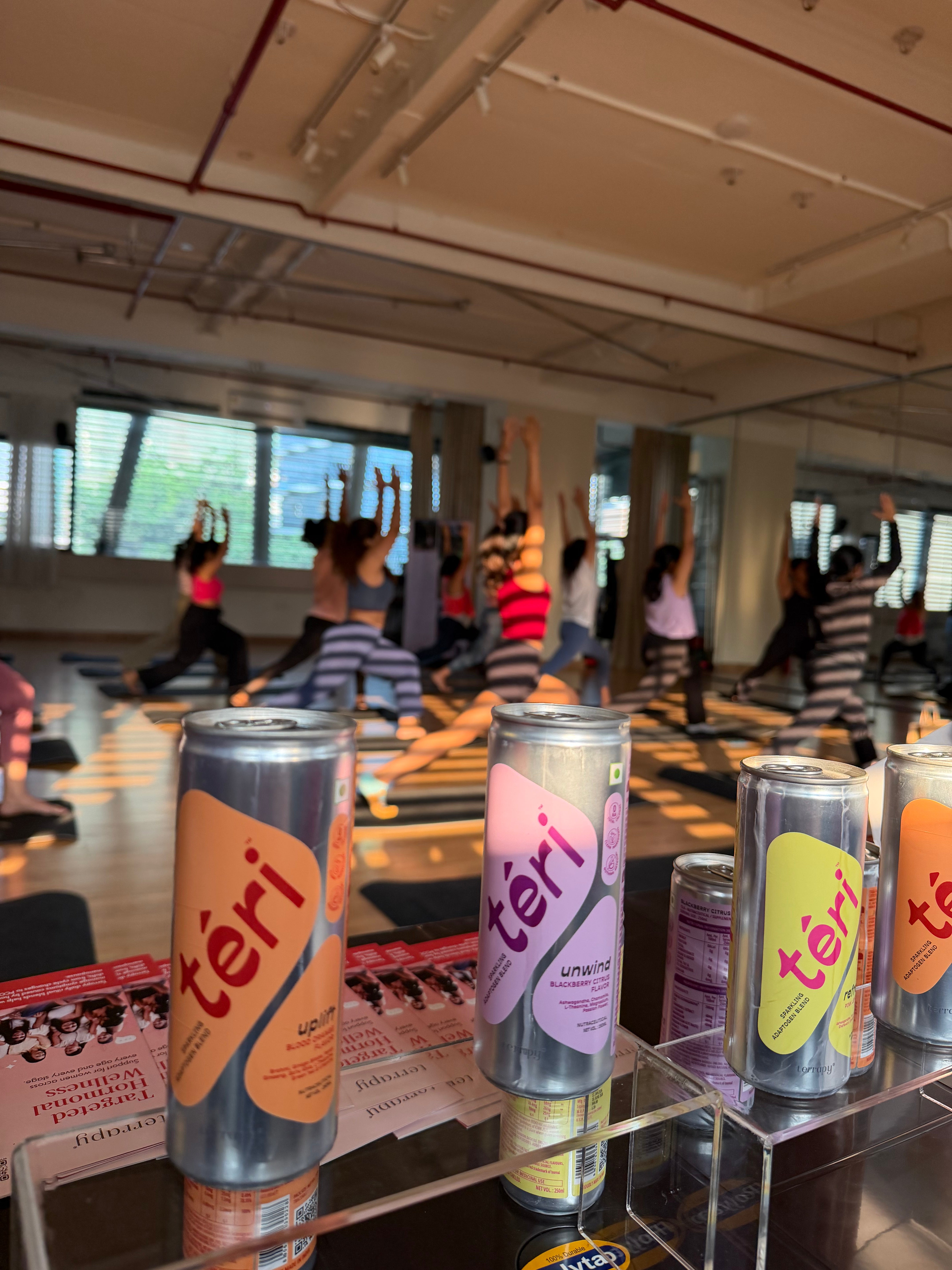
* Skip exercise. I know, festivities are not for exercise at all. So, I don't ask you to go to the gym of course. But maybe some light yoga or stretching in the morning? It'll work wonders for your stomach!
* Overplan your food. It's not a challenge or a race to fit in all the food you can have in your festivities plan. I often get over excited and try to fit in as many favourites as I can. Because I feel way less guilty eating them during a festival. But I've never been able to get through all of it — my stomach always gives up. So if you're greedy like me, remember to be practical while planning your feasts.