


Exercise as a Tool to Manage Anxiety
Anxiety is something many women experience at different stages of life. Whether it’s
the overwhelming stress from juggling work and family or the constant worry that
creeps in unexpectedly, anxiety can feel like a heavy weight. But how do you know if
what you're feeling is anxiety?
Identifying Anxiety in Women
Anxiety can show up in different ways, and it doesn't always look like what you might
expect. For some, it may come as a constant feeling of dread or worry. For others, it
might be more physical—racing thoughts, a pounding heart, or difficulty sleeping.
Common signs of anxiety in women include:
- Feeling restless, on edge, or constantly worried.
- Difficulty concentrating or making decisions.
- Physical symptoms like headaches, tense muscles, or stomach problems.
- Sleep issues, either trouble falling asleep or staying asleep.
- Irritability or mood swings, sometimes feeling overwhelmed for no clear reason.
If you’ve noticed these signs and feel like they’re holding you back, you’re not alone.
Anxiety is a normal human experience, but when it becomes persistent and affects
your daily life, it’s time to take action. One powerful, yet often overlooked, way to
manage anxiety is through exercise.
The Role of Exercise in Managing Anxiety
Exercise is more than just about staying in shape or losing weight. It’s a proven tool
to improve mental health and can be a game-changer for those struggling with
anxiety. Here's why:
1. Endorphin Boost: Exercise releases chemicals in the brain called endorphins,
which act as natural mood lifters. These "feel-good" chemicals can help reduce the
feelings of worry and stress that come with anxiety.
2. Improved Sleep: Regular physical activity can help regulate your sleep patterns.
Better sleep gives your mind the chance to rest and recover, helping to reduce the
cycle of anxiety.
3. Mindfulness & Distraction: When you're exercising, you're focusing on your
body—how it moves, how it feels. This can serve as a welcome distraction from
anxious thoughts. Whether you're walking, running, or doing yoga, the focus shifts
from your mind to your physical self, offering relief from worry.
4. Stress Relief: Physical activity reduces the body's levels of cortisol, the hormone
associated with stress. High levels of cortisol can contribute to anxiety, so getting it in
check through exercise can make a noticeable difference.
5. Increased Confidence: As you start exercising and noticing physical
improvements, you may also begin to feel a sense of accomplishment. This can build
self-esteem and give you more control over your anxiety.
But the key is consistency. Exercise doesn't have to be intense or time-consuming to
be effective—it just needs to be regular. The more you make it part of your routine,
the more you'll feel its positive effects.
Building an Exercise Routine to Combat Anxiety
If you’re wondering where to start, know that any movement is better than none. You
don't need to run a marathon or lift heavy weights to reduce anxiety. Here's a simple,
balanced weekly exercise routine to help ease anxiety:
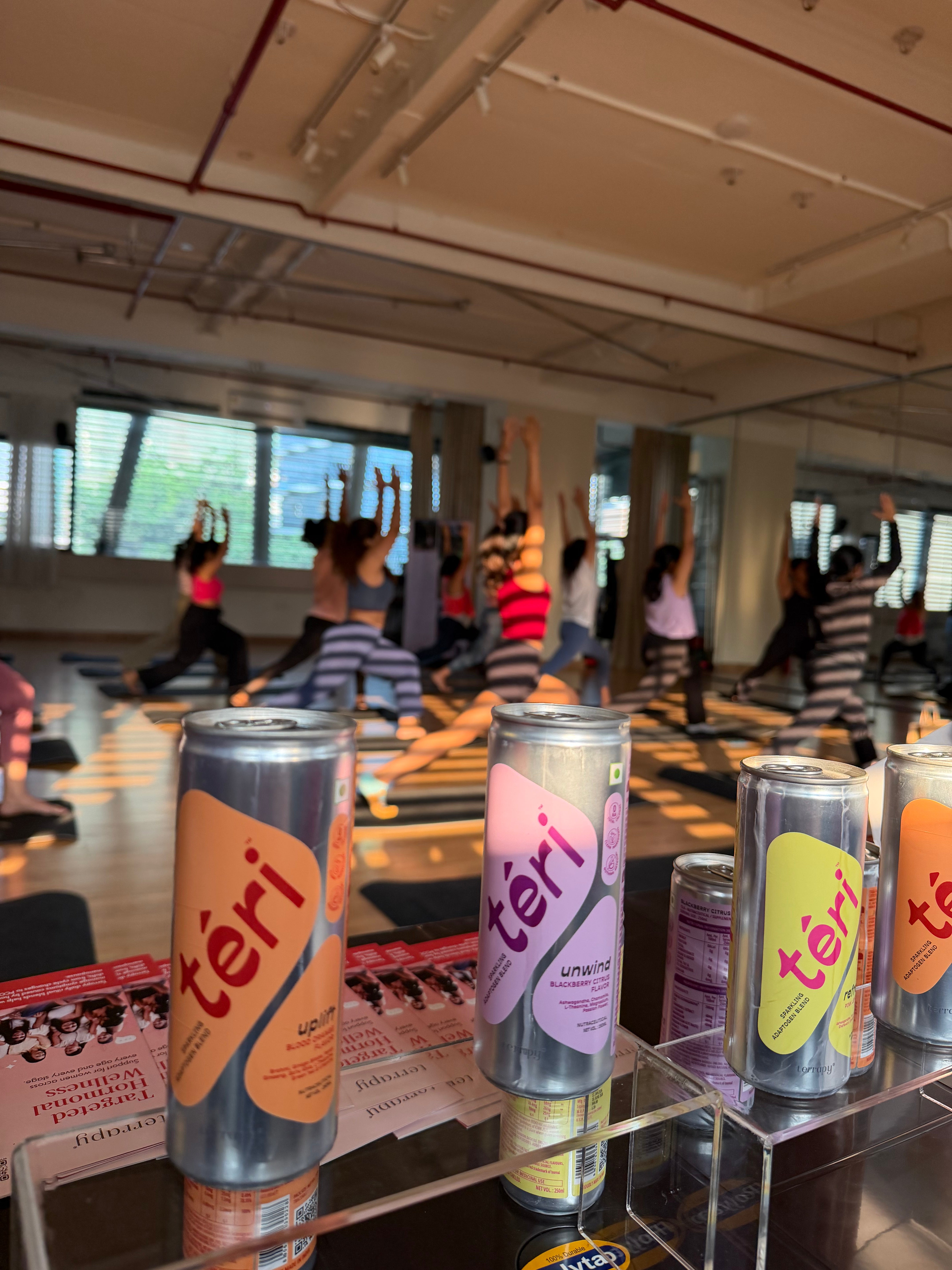
1. Monday: Gentle Yoga or Stretching (20–30 minutes)
Yoga is great for combining mindfulness and physical activity. Focusing on your
breath and holding calming poses can release tension and bring you back to the
present moment.
2. Tuesday: Brisk Walk or Light Jog (30 minutes)
Walking or light jogging is an excellent way to clear your mind. Try listening to a
calming playlist or an audiobook while you move. Getting outside in nature can also
have additional calming effects.
3. Wednesday: Strength Training (30–40 minutes)
Incorporate light weights or bodyweight exercises like squats, lunges, and push-
ups. Strength training helps boost endorphins and gives you a sense of
empowerment. If lifting weights feels intimidating, try bodyweight exercises to start.
4. Thursday: Rest Day or Light Activity (10–15 minutes)
On rest days, aim for gentle stretching or light activities like cleaning or walking
around the house. It’s important to listen to your body and let it rest when needed.
5. Friday: Cardio (30–40 minutes)
Whether it’s dancing, cycling, or an aerobics class, get your heart rate up with an
activity that feels fun. Moving your body in ways that feel good to you is the goal.
6. Saturday: Mindful Movement (30 minutes)
Focus on something that calms your mind, like Pilates, tai chi, or a more
restorative yoga session. These forms of movement help you connect with your body
and breath, reducing anxiety.
7. Sunday: Nature Walk or Outdoor Activity (40 minutes)
End the week with time in nature. Whether you walk, hike, or cycle outdoors,
soaking up fresh air and sunlight can work wonders for your mental health.
Connecting with nature has been shown to reduce anxiety and improve overall
mood.
Share Your Experience
Anxiety is a challenge, but incorporating regular exercise into your life can be a
powerful way to manage it. Remember, every small step you take is progress.
Whether you follow this routine exactly or tweak it to suit your needs, the important
thing is to stay active.
Have you used exercise to manage anxiety? I'd love to hear how it’s working for you!
Share your experience or tips in the comments below, and let’s support each other
on this journey toward better mental health.