
ABCs of IUDs, Understanding the Contraceptive. Contraceptive 101 with IUDs
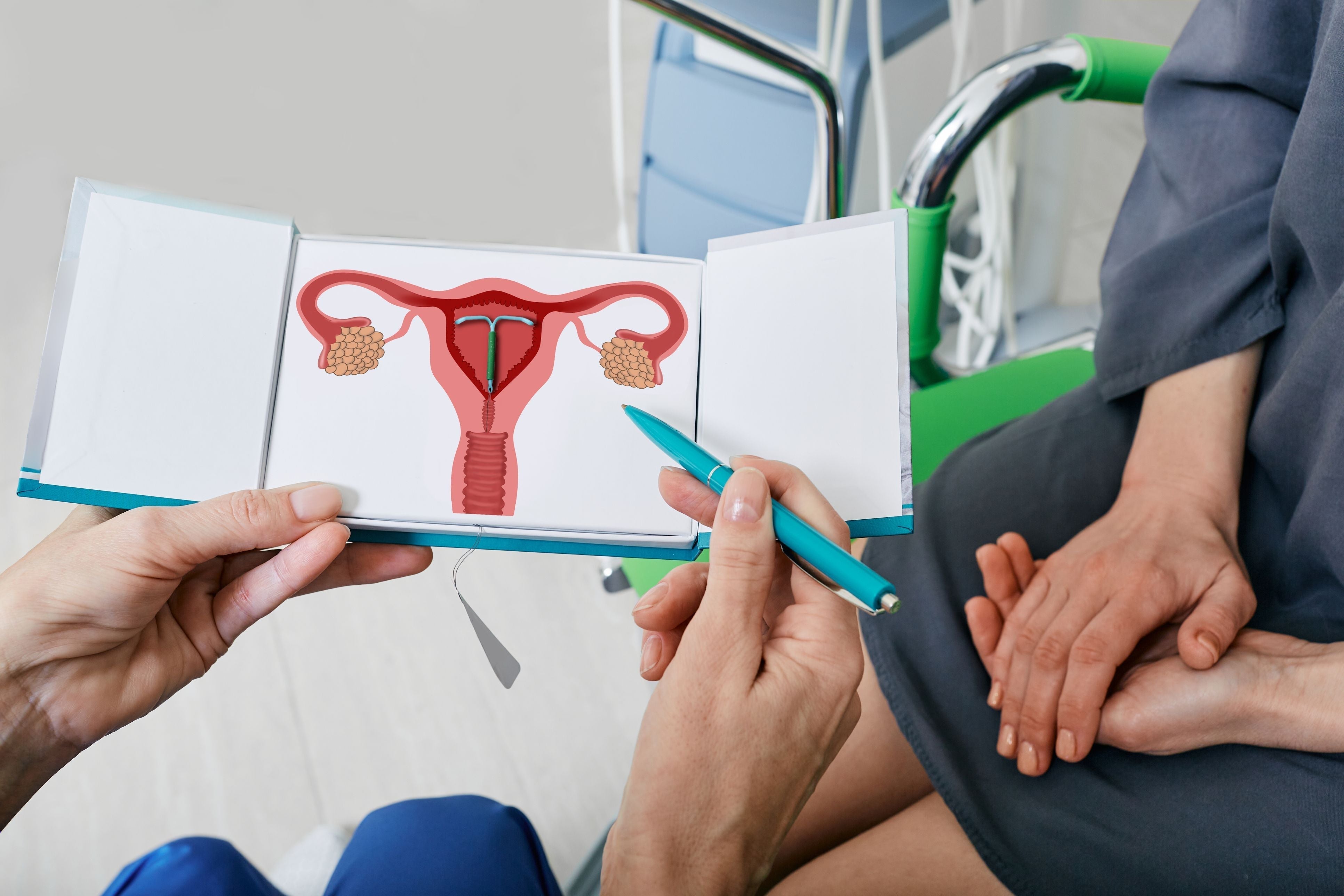
Contraceptive options come in many forms, each with unique features and benefits. One method is the intrauterine device, or IUD. IUDs are small, T-shaped devices that fit inside the uterus to prevent pregnancy.
Did you know that IUDs are more than [99.99%](https://www.healthline.com/health/birth-control/iud-insertion) effective at preventing pregnancy? That's an astonishing level of protection that many might not be aware of.
Ready to learn more about this highly effective contraceptive option? Let's begin!
What is an IUD?
The T-shaped contraceptive fits snugly inside your uterus, making it one of the safest and most effective methods for preventing pregnancy. While it's women or teens looking to avoid pregnancy for at least a year choose it, IUDs have more features. Some types can be excellent for those battling heavy, painful periods or dealing with anaemia caused by extreme menstrual bleeding. Plus, if you're in a pinch, IUDs can serve as emergency contraception because they start working instantly after placement – no waiting around for hormones to kick in. It's this versatility and reliability that makes IUDs stand out in the crowded field of contraceptive options.
Wondering how it works?
They effectively restrict sperm from reaching and fertilising eggs. Basically, they create an environment in your uterus that is unsuitable for the sperm. It's important to note that IUDs are not abortifacients, which means they don't interfere with an already implanted pregnancy.
Think of an IUD as a miniature security system for your uterus, keeping unwanted visitors out. IUDs use two main strategies to prevent pregnancy. First, there's the 'foreign body effect' from the IUD’s plastic frame. Second, there's the action of either copper or a hormone called Levonorgestrel. Together, these make it hard for sperm to function properly and reach an egg. They also make it unlikely for a fertilised egg to implant.
How are they inserted and removed?
Getting an IUD is a straightforward process done at your gynaecologist's office. It's best inserted during your period when the cervix is most receptive. The procedure takes less than five minutes, though you may experience mild cramping. Taking over-the-counter pain medication beforehand can help.
An IUD can remain effective for 3 to 10 years, depending on the type. When you're ready, removal is quick - about 2 to 3 minutes - and can be done at any time. You might have some minor cramping and bleeding after removal, but this typically subsides quickly. This method offers years of protection with minimal office visits, making it a convenient option for many women.
Copper IUD vs Hormonal IUD
IUDs come in two main types: copper and hormonal. The copper IUD is non-hormonal and can prevent pregnancy for up to 10 years but may initially cause heavier periods. Hormonal IUDs release progestin and last 3-5 years. They often result in lighter, less painful periods, and some women may stop menstruating altogether. Both types are highly effective, but they offer different benefits. The copper IUD lasts longer, while hormonal IUDs can improve menstrual symptoms. Your regular cycle returns once the IUD is removed, regardless of the type you choose.
Benefits of IUDs
- Highly effective (less than 1% pregnancy rate in the first year)
- Low maintenance - no daily action required
- Minimal side effects
- Oestrogen-free
- Reversible - can be removed if pregnancy is desired
- Cost-effective over time
- Safe for use while breastfeeding
Disadvantages of IUDs
- May cause changes in bleeding patterns during periods
- Doesn't protect against STIs
- Small risk of expulsion
- Requires professional insertion and removal
- Potential for heavier periods (Paragard)
- Possible irregular bleeding or no periods (hormonal IUDs)
- Need for follow-up visits to ensure proper placement
IUDs offer a highly effective, long-lasting, and low-maintenance contraceptive option. With their impressive effectiveness rate and additional benefits, they provide a compelling choice for many women. While IUDs represent a significant advancement in reproductive health, it's important to consult with your healthcare provider to determine if this method aligns with your individual needs and preferences. Ultimately, IUDs empower women with a reliable tool for family planning and reproductive autonomy.