Science-Backed Rituals for Hormonal Balance, Sleep and Mood. Free Shipping.
 Terrapy Home
Search
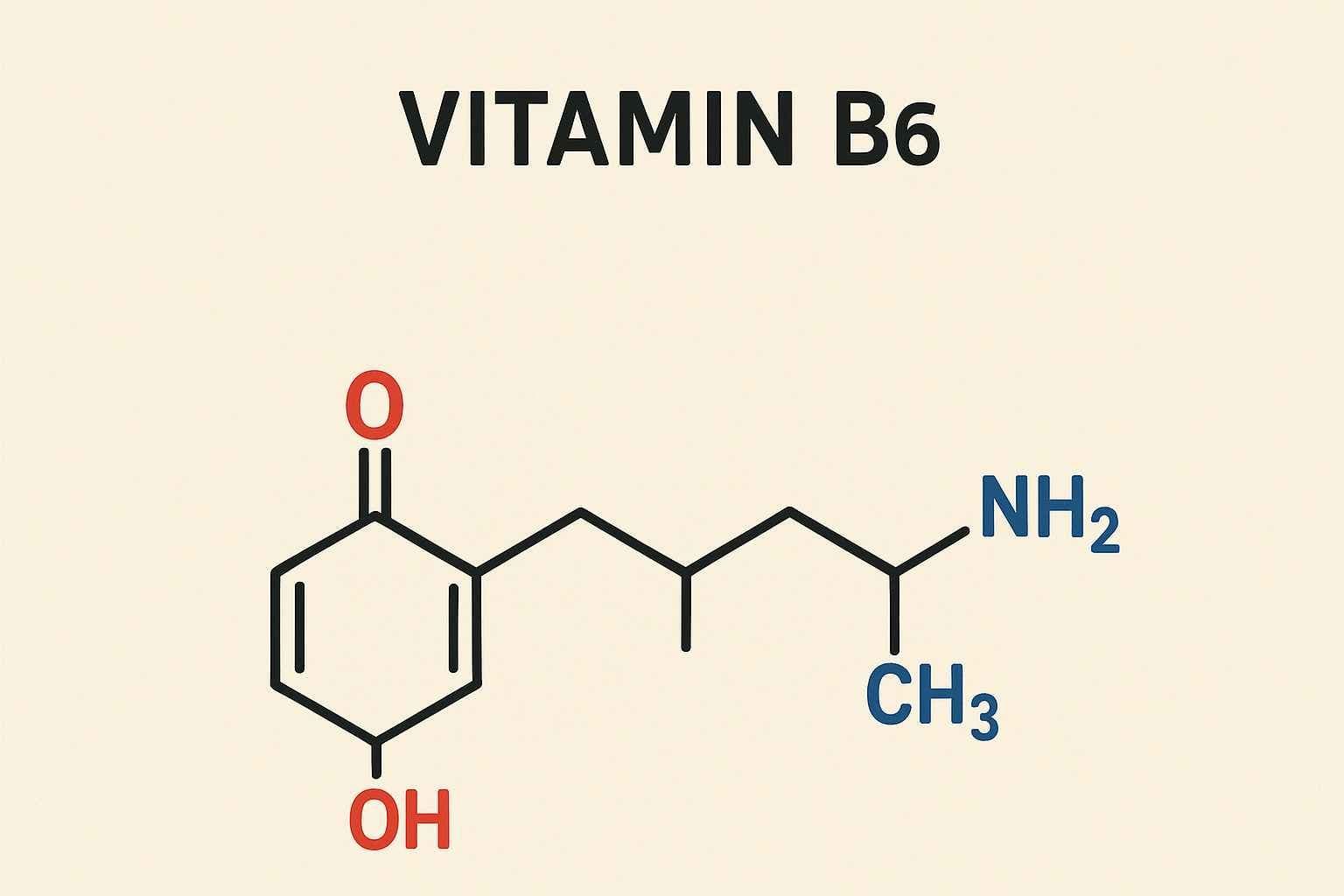
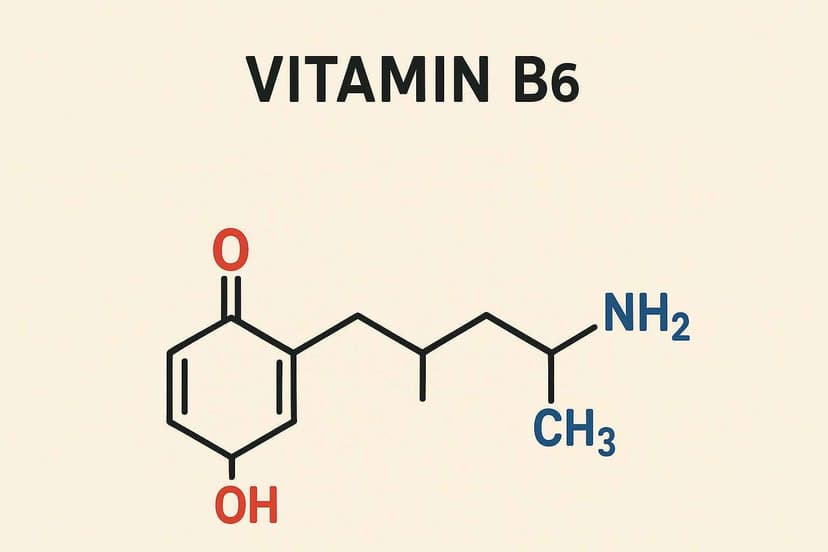
Vitamin B6
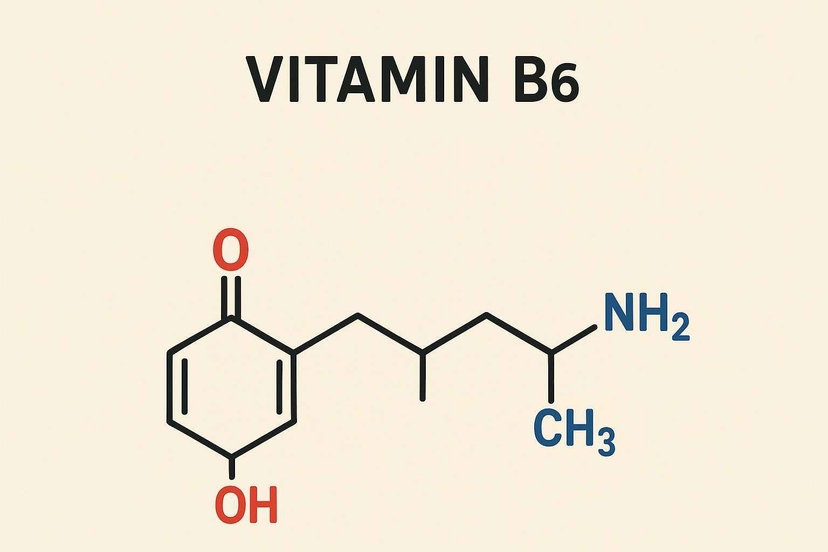
Vitamin B6 is not a plant chemically the term covers six vitamers with vitamin B₆ activity (pyridoxine, pyridoxal, pyridoxamine and their 5′-phosphate esters). The active coenzyme form is pyridoxal-5′-phosphate
Minerals & Vitamins
Common Name
Vitamin B6,
Pyridoxine,
Pyridoxal,
Pyridoxamine,
PLP (pyridoxal-5′-phosphate).
Family
Water-soluble B-vitamin group (vitamin B complex).
Parts Used
Dietary sources are many (meat, fish, poultry, potatoes, bananas, fortified cereals). Supplements supply pyridoxine hydrochloride, pyridoxal, pyridoxamine or PLP.
Native To
essential micronutrient found in foods worldwide.
Historical and Traditional Uses:
Recognized as an essential nutrient in the 20th century clinical use includes treatment of deficiency states, prophylaxis of isoniazid-induced neuropathy, management of nausea in pregnancy (pyridoxine ± doxylamine), and specific rare disorders (pyridoxine-dependent epilepsy).
Chemical Composition:
- Vitamers: Pyridoxine (PN), pyridoxal (PL), pyridoxamine (PM) and their 5′-phosphate forms.
- Active coenzyme: Pyridoxal-5′-phosphate (PLP) a required cofactor for ~100–160 enzymes, especially in amino-acid metabolism, neurotransmitter synthesis, heme synthesis and one-carbon/transsulfuration pathways.
Pharmacological Properties:
- Cofactor for PLP-dependent enzymes: transaminases, decarboxylases (e.g., glutamate decarboxylase → GABA), cystathionine β-synthase (transsulfuration / homocysteine → cysteine), aminolevulinic acid synthase (heme biosynthesis), DOPA decarboxylase (levodopa → dopamine) and many others. PLP’s role underlies B6’s broad metabolic and neurologic functions.
- Neurotransmitter synthesis & nervous-system function: B6 influences synthesis of GABA, serotonin, dopamine and norepinephrine explaining neurological and mood associations.
- Drug/nutrient interactions via enzyme modulation: B6 status affects pathways that modulate drug metabolism (e.g., influence on levodopa peripheral conversion) and deficiency may manifest clinically (e.g., seizures in infants, anemia, dermatitis)
Evidence-Based Uses and Benefits:
- Correction and prevention of vitamin B₆ deficiency
- Indicated for documented deficiency (anemia, dermatitis, neuropathy, seizures in infants, glossitis, irritability). Dietary replacement or supplementation with pyridoxine/PLP corrects biochemical and clinical signs.
- Prevention of isoniazid-induced peripheral neuropathy (prophylaxis)
- Isoniazid (INH) interferes with B6 metabolism and can cause neuropathy; guidelines recommend pyridoxine 25–50 mg/day for people at risk (pregnant/breastfeeding, HIV, diabetes, malnutrition, renal failure, alcohol use) and higher therapeutic doses if neuropathy occurs. WHO and CDC guidance reflect routine pyridoxine use in at-risk patients.
- Nausea & vomiting of pregnancy (first-line / safe option)
- ACOG and other guidelines recommend pyridoxine (vitamin B6) often 10–25 mg repeated up to several times daily or pyridoxine combined with doxylamine (Diclegis / Unisom+B6) for morning sickness; this is widely used and considered safe in pregnancy at recommended doses.
- Pyridoxine-dependent epilepsy (rare, genetic)
- Certain genetic epilepsies (ALDH7A1 / antiquitin deficiency) respond dramatically to high-dose pyridoxine or PLP; this is a specific, evidence-backed indication in neonates/infants with intractable seizures. Genetic testing and specialist management required.
- Premenstrual syndrome (PMS) / mood symptoms
- Older randomized trials and reviews suggest benefit of vitamin B6 (often ≤100 mg/day) for premenstrual symptoms and premenstrual depression, though study quality varies. Doses up to 100 mg/day have been used in trials; caution about high doses is needed.
- Homocysteine metabolism / cardiovascular
- B6 (as PLP) participates in homocysteine transsulfuration. Supplementation can lower homocysteine, but large RCTs combining B6/B12/folate did not demonstrate clear reductions in major CVD events; evidence does not support routine B6 supplementation purely to prevent CVD in unselected patients. Observational data sometimes show inverse associations between dietary B6 and CVD.
Counter Indications:
- High-dose supplementation in pregnancy/breastfeeding without medical supervision: routine dietary doses are safe; high pharmacologic doses should only be taken under clinician guidance. ACOG supports recommended therapeutic dosing for nausea.
- Avoid very high long-term doses in general population because of risk of sensory peripheral neuropathy (see Side Effects & UL below). Regulatory bodies disagree on precise ULs; follow national guidance and clinical judgement.
Side Effects:
- Common / mild (from normal dietary or low supplemental doses): none or minimal (GI upset rare).
- Dose-related adverse effect sensory peripheral neuropathy: chronic high-dose pyridoxine supplemental intake has been associated with progressive sensory peripheral neuropathy (paresthesia, numbness, gait disturbance). Case reports historically involved very high intakes (grams/day), but regulatory reviews indicate neuropathy can occur at lower supplemental levels and after variable exposure durations. Because of this, agencies set ULs and some regulators have lowered allowable supplement dose caps.
- Regulatory upper limits (illustrating differing agency positions):
- Institute of Medicine / US (IOM, 1998): UL for adults = 100 mg/day.
- European Food Safety Authority (EFSA, 2023): concluded on a UL ≈ 12 mg/day for adults (based on updated evidence and different risk assessments). Different agencies use different methods — note the discrepancy and follow local guidance.
Drug Interactions:
- Isoniazid (INH) clinically important and well established.
- INH interferes with B6 metabolism and can precipitate neuropathy; prophylactic pyridoxine (25–50 mg/day) is recommended for at-risk patients on INH and may be given routinely to many patients (guideline details vary by agency). In INH overdose, pyridoxine is an antidote (gram-for-gram replacement).
- Levodopa (without a peripheral decarboxylase inhibitor) clinically relevant interaction. -Pyridoxine can enhance peripheral decarboxylation of levodopa → dopamine, reducing CNS availability of levodopa and possibly decreasing clinical efficacy. When levodopa is co-prescribed with a decarboxylase inhibitor (carbidopa/benserazide), this interaction is largely mitigated; nevertheless, patients on levodopa should avoid large supplemental doses of pyridoxine unless directed by their clinician. Doses as low as ~5 mg/day may be relevant in some reports clinical context matters.
- Antiepileptic drugs & seizure risk:
- B6 deficiency can cause seizures; in rare situations and with some AED regimens (or metabolic disorders) B6 status is clinically relevant (and high-dose B6 is used diagnostically/therapeutically in pyridoxine-dependent epilepsy). Evaluate case-by-case.
- Oral contraceptives / contraceptive hormones:
- Some evidence suggests oral contraceptive use may affect B6 status and might increase requirements; monitoring or dietary adequacy is reasonable.
- Other drugs & nutrients:
- B6 participates in homocysteine metabolism along with folate and B12; combining B-vitamin therapy affects homocysteine but not necessarily clinical outcomes (CVD) per large trials. Always consider interactions when using multiple B-vitamins or drugs affecting B6 metabolism. (When in doubt about prescription medications especially levodopa or multi-drug TB regimens consult the prescribing clinician or pharmacist before starting a separate B6 supplement.)
Research and White Paper Links:
- Dietary Supplements Vitamin B6 (Health Professional Fact Sheet): https://ods.od.nih.gov/factsheets/VitaminB6-HealthProfessional/
- Vitamin B6 and Toxicity; Vitamin B6 deficiency: https://www.ncbi.nlm.nih.gov/books/NBK554500/
- Nausea and Vomiting of Pregnancy: https://pubmed.ncbi.nlm.nih.gov/2047064/
- Vitamin B-6-Induced Neuropathy (review of case reports and safety concerns): https://pmc.ncbi.nlm.nih.gov/articles/PMC8483950/
Conclusions:
- What Vitamin B₆ is best for: correcting deficiency, preventing/treating isoniazid-induced neuropathy (routine prophylaxis in at-risk patients), treating nausea of pregnancy (pyridoxine ± doxylamine), and as a lifesaving therapy in specific genetic epilepsies. These are well supported by clinical guidance and trials.
- Mechanism: B6 (as PLP) is a central enzymatic cofactor in amino-acid metabolism, neurotransmitter synthesis and heme production, explaining its multisystem effects.
- Safety: dietary amounts are safe; avoid chronic, high-dose pyridoxine supplements because of risk of sensory peripheral neuropathy. Note that regulatory ULs differ internationally (e.g., IOM UL = 100 mg/day; EFSA recent assessment recommended a much lower reference limit), so follow local guidance and avoid megadoses unless directed by a clinician.
- Interactions to watch: prophylactic use with isoniazid (benefit), avoid high supplemental B6 when taking levodopa without a decarboxylase inhibitor (risk of reduced efficacy), and monitor other drug contexts (oral contraceptives, seizure disorders)


Tips, Updates & Stories
We respect your privacy. No spam, only wellness.


Tips, Updates & Stories
We respect your privacy. No spam, only wellness.
© 2025 Terrapy. All Rights Reserved.
