Terrapy Home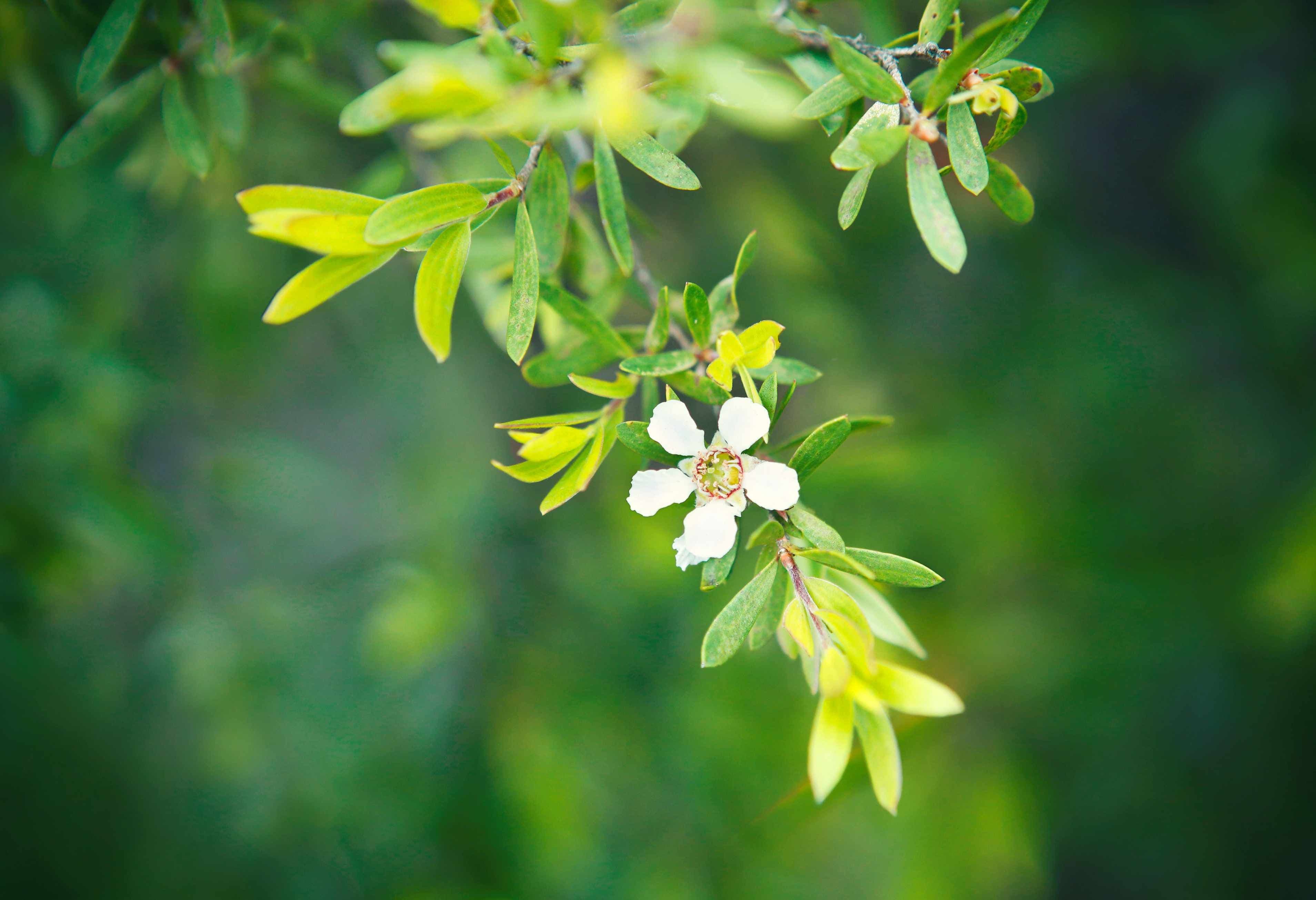
Common Name
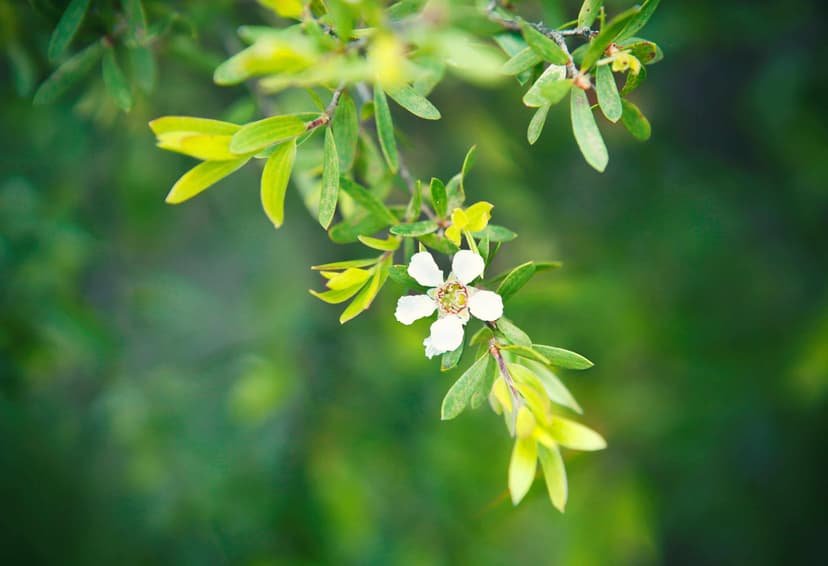
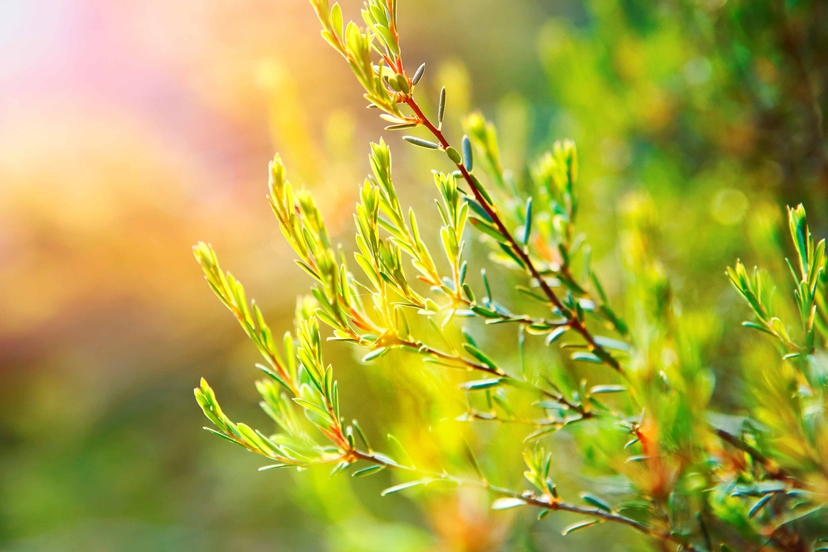
Tea tree, Australian tea tree; the essential oil is “Tea Tree Oil (TTO)”
Family
Myrtaceae
Parts Used
Leaves/twigs (steam-distilled essential oil)
Native To
Northeastern New South Wales & southeastern Queensland, Australia; now cultivated more widely.
Historical and Traditional Uses:
Australian First Nations peoples used crushed leaves as topical applications for skin infections and wounds; modern use centers on the essential oil as a topical antiseptic, anti-acne agent, and scalp/foot preparations.
Chemical Composition:
- Major constituents (typical): terpinen-4-ol (principal antimicrobial), γ-terpinene, α-terpinene; with minor 1,8-cineole, p-cymene, α-terpineol, limonene, etc. Composition varies with cultivar, terroir and storage.
- Quality monograph: ISO 4730 (Tea tree oil, terpinen-4-ol type) specifies ranges for 14 marker compounds (e.g., terpinen-4-ol minimum, 1,8-cineole maximum) and physicochemical specs used globally for QC.
Pharmacological Properties:
- Broad antimicrobial(bacteria including Staphylococcus aureus, fungi incl. Candida spp. & dermatophytes; some viruses/parasites) via membrane disruption and increased permeability attributed largely to terpinen-4-ol and synergistic monoterpenes.
- Anti-inflammatory in vitro/in vivo (↓NO, COX-2, cytokines), supporting use in inflamed skin.
- Pediculicidal/ovocidal activity shown in ex-vivo and clinical head-lice studies for combinations containing melaleuca oil.
Evidence-Based Uses and Benefits:
1. Acne vulgaris (topical) Human RCTs; modest benefit 5% TTO gel (n=60) for 45 days significantly improved acne severity and lesion counts vs placebo; local irritation comparable/acceptable. Reviews attribute anti-acne effect to antimicrobial + anti-inflammatory actions of terpinen-4-ol.
2. Onychomycosis / tinea pedis (topical) Mixed/older trials RCT comparing 100% TTO vs 1% clotrimazole (with weekly amorolfine lacquer) over 6 months showed similar, modest cure/improvement rates; local irritation occurred in some patients. Evidence quality is moderate/heterogeneous; TTO can be an option when azoles are not tolerated, with counseling on expectations.
3. Head lice (topicals containing melaleuca + lavender oils) Comparative trials Randomised assessor-blind trials in children found products with melaleuca oil + lavender oil performed comparably or better than pyrethrin/piperonyl butoxide regimens in some settings; note these are combination products (cannot attribute effect to TTO alone).
4. Promising but not definitive: adjunct use for minor wound care/antisepsis and dandruff/seborrheic scalp; evidence is supportive from lab/clinical experience but less robust than acne/onychomycosis data. Comprehensive reviews summarize the breadth of activity and the need for standardized clinical trials.
Counter Indications:
- Do not ingest. Systemic use is unsafe; essential oil is for topical/aromatic use only. (Serious toxicity has been reported after ingestion in animals and humans general essential-oil precaution echoed across reviews.)
- Infants/young children: avoid neat oil on skin; use only diluted, child-appropriate products.
- Pregnancy/lactation: topical cosmetic amounts are generally considered acceptable; avoid neat/high-dose medicinal use due to limited safety data. (Follow clinician guidance.)
- Endocrine-related caution: case reports link reversible prepubertal gynecomastia to repeated topical exposure to products containing lavender and tea tree oils; in vitro work suggests weak estrogenic/anti-androgenic activity of some components. Use prudently in children
Side Effects:
- Irritation/dermatitis: stinging, erythema, eczema more likely with neat or oxidized oil; patch-test sensitive skin. Oxidation (air/light/heat) of monoterpenes (e.g., α-terpinene) increases allergenicity; keep bottles tightly closed, away from heat/light, and discard old oil.
- Allergy cross-reactions: over-representation of reactions with fragrance-mix/turpentine/other essential oils in patch-test clinics
Drug Interactions:
- Topical retinoids/keratolytics (benzoyl peroxide, AHAs/BHAs): additive irritation possible alternate days or different times of day.
- Anticoagulants/antiplatelets: no robust evidence of topical interaction; systemic exposure from dermal use is minimal.
- Endocrine active products in children (e.g., lavender-containing cosmetics): consider total exposure given case reports and in-vitro signals.
Research and White Papers with Links:
1. Clinical Microbiology Reviews: https://pmc.ncbi.nlm.nih.gov/articles/PMC1360273/
2. Antimicrobial & Anti-Inflammatory: https://pmc.ncbi.nlm.nih.gov/articles/PMC5516420/
3. Acne: https://pmc.ncbi.nlm.nih.gov/articles/PMC10295805/
4. Onychomycosis: https://pmc.ncbi.nlm.nih.gov/articles/PMC11508421/
5. Head-lice: https://pmc.ncbi.nlm.nih.gov/articles/PMC3480584/
6. Endocrine: https://pubmed.ncbi.nlm.nih.gov/32147050/
7. Oxidation: https://pmc.ncbi.nlm.nih.gov/articles/PMC7230539/
Conclusions:
Tea tree oil (Melaleuca alternifolia) is a useful topical botanical best supported for mild-to-moderate acne (5% gel) and as a reasonable option in certain fungal nail/foot and head lice scenarios particularly where conventional therapies are not tolerated or as adjuncts. Benefits hinge on quality (ISO-compliant), appropriate strength, and freshness (to minimize oxidation). Avoid ingestion: use cautiously on sensitive skin and in children, especially alongside other endocrine-active essential oils. More large, standardized RCTs are warranted for many claimed uses.