Terrapy Home
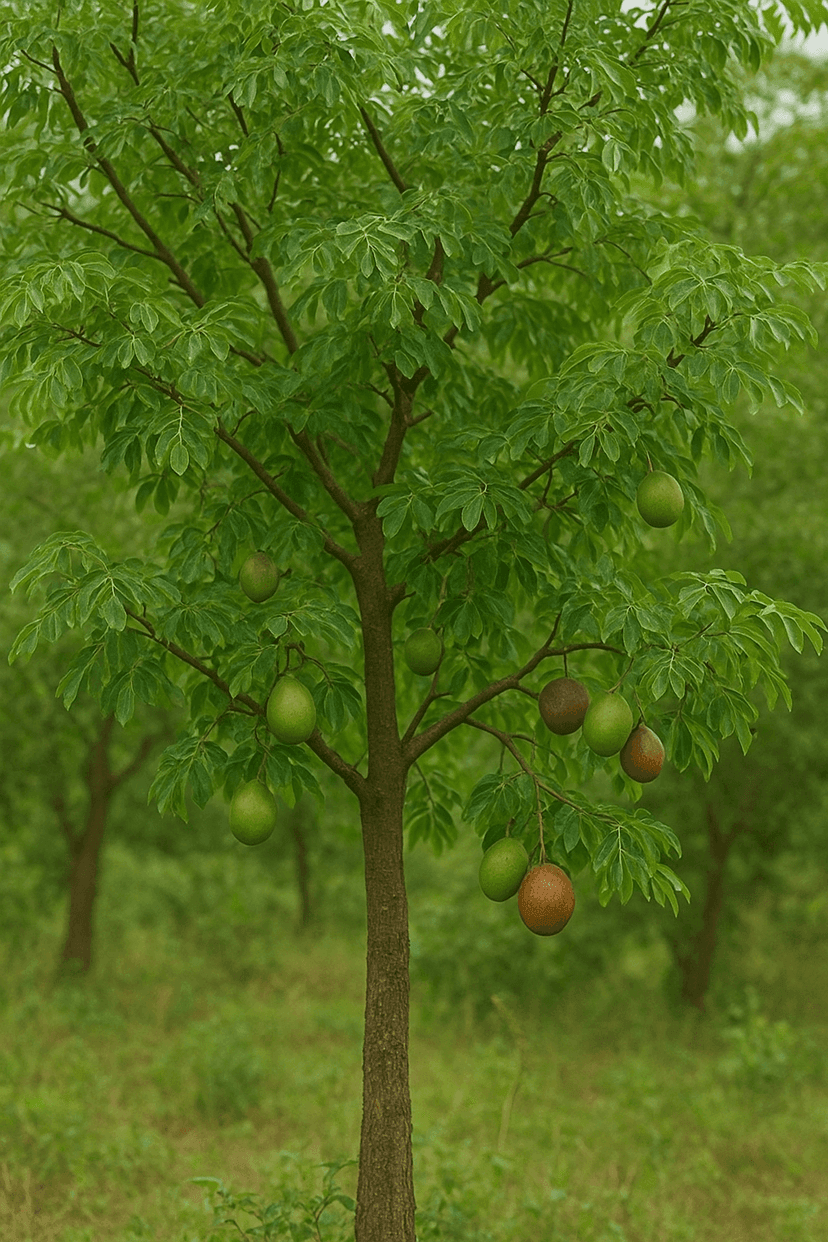
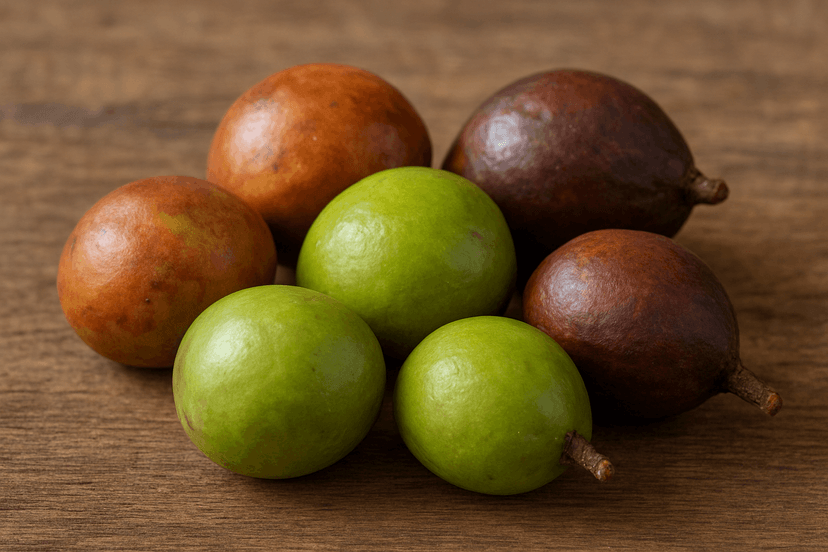
Common Name
Shea Tree,
Shea Butter Tree,
Karité Tree
Family
Sapotaceae
Parts Used
Seeds (nuts/kernels, processed into shea butter)
Native To
Sub-Saharan West and Central Africa
Historical and Traditional Uses:
In West African communities shea butter has long been used to moisturize skin and hair, treat minor wounds, soothe rashes and as a general-purpose topical medicine. Shea kernels are also eaten or used as cooking fat in some regions.
Chemical Composition:
- Major fraction (95%+): triglyceride fatty acids principally oleic acid (≈35–50%), stearic acid (≈20–50%), palmitic and linoleic acids. This mix gives shea its semi-solid, emollient character.
- Unsaponifiables (~3–10%): triterpene alcohols (e.g., lupeol, butyrospermol), sterols (β-sitosterol), phenolics and tocopherols these minor constituents are linked to anti-inflammatory, antioxidant and skin-repair activities.
- Vitamins/minerals: low levels of vitamin E (tocopherols) and carotenoids contribute antioxidant capacity.
Pharmacological Properties:
- Emollient / skin barrier repair: replenishes lipids, softens skin, reduces TEWL (trans-epidermal water loss).
- Anti-inflammatory: unsaponifiable triterpenes and extracts reduce pro-inflammatory mediators (iNOS, COX-2, TNF-α, IL-1β) in cell/animal models.
- Wound-healing & re-epithelialization: topical application accelerates re-epithelialization and reduces irritation in experimental and small clinical studies.
- Analgesic/anti-osteoarthritic effects (nutraceutical formulations): concentrated triterpene fractions have shown pain-reducing and cartilage-protective effects in preclinical models and some animal and clinical reports (product-specific).
Evidence-Based Uses and Benefits:
1. Skin moisturization and barrier support (strong, consistent): Multiple studies and safety assessments support shea butter as an effective emollient that restores lipids and improves skin feel and hydration widely used in dry-skin formulations and cosmetics. 2. Anti-inflammatory and wound-healing support (moderate evidence): Preclinical data plus controlled experimental and small clinical studies show topical shea (raw or processed) reduces inflammation markers and aids minor wound/burn healing and skin irritation. Products standardized for unsaponifiables demonstrate particularly notable effects. 3. Anti-aging / photoprotection adjunct (preliminary clinical evidence): A few clinical studies indicate shea butter may reduce signs of photoaging and improve skin elasticity/roughness when used in topical formulations; sometimes increases SPF when combined with other UV filters. Evidence is product dependent. 4. Topical dermatologic adjuvant for conditions like eczema (supportive but variable): Because of emollient + anti-inflammatory properties, shea butter can soothe dry, flaky skin and improve symptoms in some cases of atopic dermatitis clinical outcomes vary with product and disease severity. 5. Nutriceutical/pain relief (product-specific): Triterpene-enriched shea extracts (e.g., SheaFlex®75) have preclinical and limited clinical support for reducing joint pain/osteoarthritis symptoms; effects are specific to concentrated preparations rather than raw butter.
Counter Indications:
- Allergy / contact sensitivity: Shea butter is generally low allergenic a key study found no IgE-binding soluble proteins but contact dermatitis or allergic reactions are possible (rare), with isolated case reports (e.g., cheilitis) documented; patch testing is prudent for patients with multiple contact dermatitis or latex nut allergies.
- Acne-prone skin: unrefined shea butter is moderately comedogenic for some users; test patch-use if prone to blemishes.
Side Effects:
- Generally well tolerated topically: minor irritation, folliculitis or comedones in a small fraction of users. Rare contact allergy reported. Very few systemic adverse events from topical use.
Drug Interactions:
- Topical use: no clinically significant drug interactions expected.
- Oral/concentrated extracts: limited data if using high-dose oral triterpene concentrates (nutraceuticals), consider usual cautions (monitor liver function and concomitant meds) because clinical safety databases are narrower than for topical use. No well-documented pharmacokinetic interactions like CYP effects are established for standard shea butter.
Research and White Papers with Links:
- Safety Assessment of Butyrospermum parkii: https://pubmed.ncbi.nlm.nih.gov/38166445/
- Ethnomedicinal uses of shea butter for dermatoses: https://pubmed.ncbi.nlm.nih.gov/33480103/
- Anti-inflammatory effects of shea butter: https://pubmed.ncbi.nlm.nih.gov/22499721/
- Topical shea for burns/wound healing: https://pmc.ncbi.nlm.nih.gov/articles/PMC7830171/
- Reports showing potential benefit in osteoarthritis models: https://pmc.ncbi.nlm.nih.gov/articles/PMC6350005/
- Fatty-acid profile and processing effects: https://pmc.ncbi.nlm.nih.gov/articles/PMC2846864/
- Allergy immunology: https://pmc.ncbi.nlm.nih.gov/articles/PMC3539924/
Conclusions:
Shea butter is a safe, effective, and time-tested topical emollient with supportive evidence for skin-barrier repair, moisturization and anti-inflammatory/wound-healing benefits particularly when formulations include concentrated unsaponifiables. It’s low-risk for most users, with rare contact allergy. For nutraceutical/pain uses, rely on product-specific evidence (concentrated triterpene fractions) and follow clinical guidance. Choose unrefined or certified, third party tested shea for maximal minor-constituent benefits, and patch-test if the user has a history of contact dermatitis or nut/latex sensitivities.