Terrapy Home
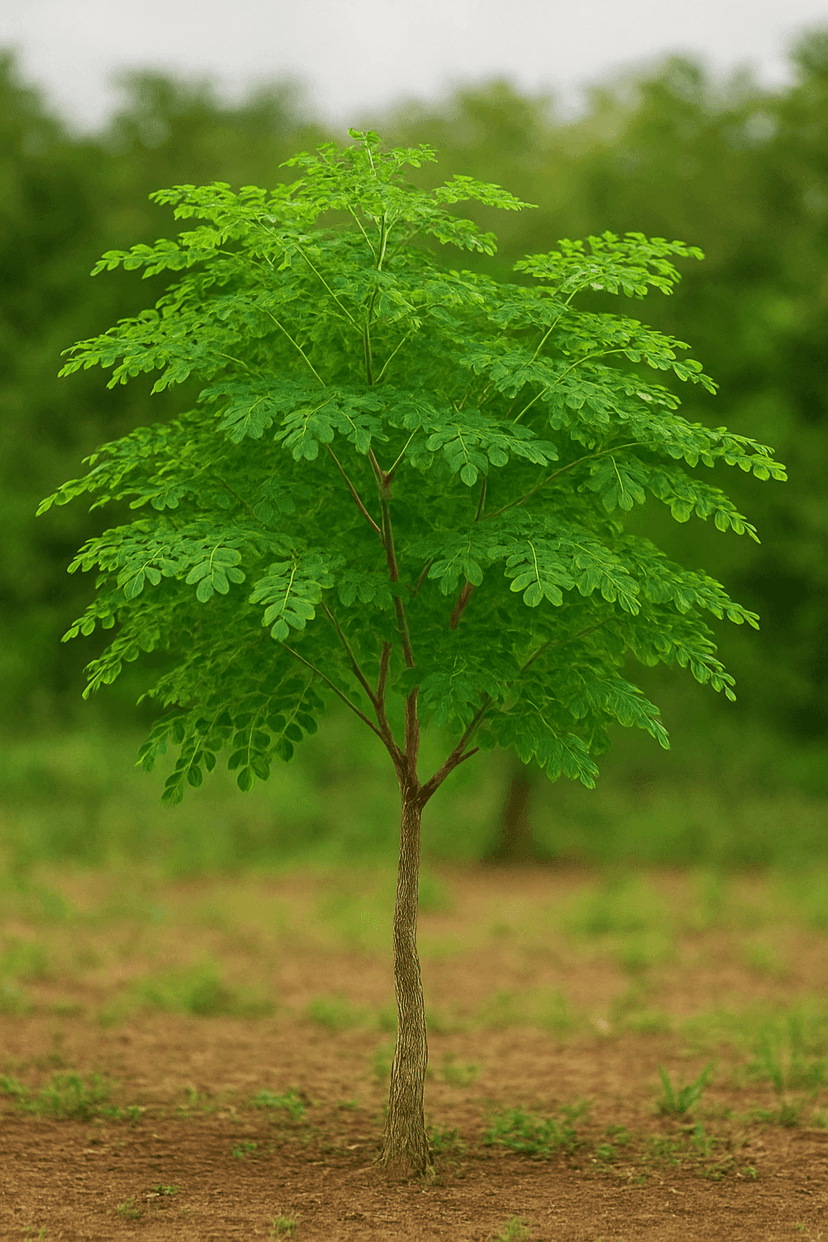
Common Name
Moringa,
Drumstick tree,
Horseradish tree,
Ben oil tree,
Sahjan (Hindi), Mlonge (Swahili)
Family
Moringaceae
Parts Used
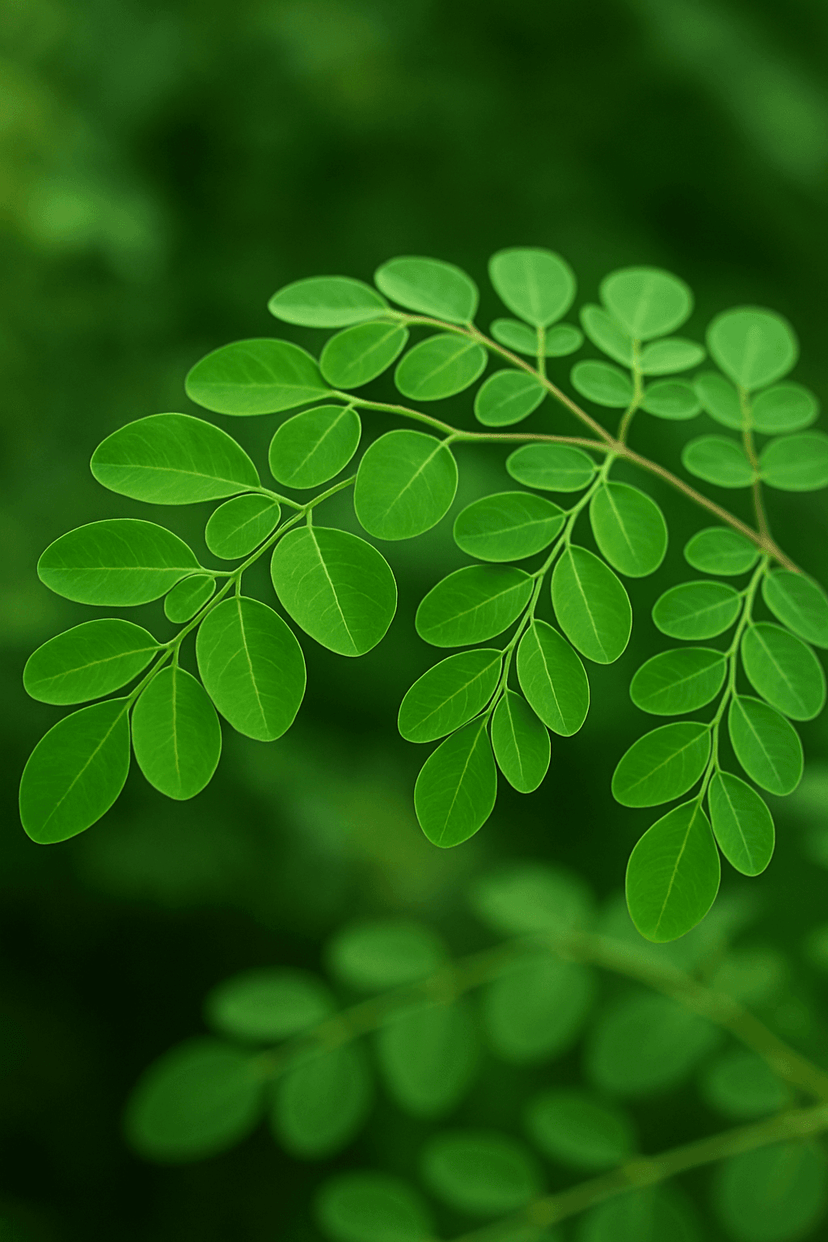
Leaves (fresh/dried/powder), leaf extract, seeds, seed oil, pods (drumsticks), flowers, roots. (Leaves and leaf powder are the most commonly used forms in supplements and clinical studies.)
Native To
Native to the sub-Himalayan regions of India; now cultivated across tropical & subtropical Africa, Asia and Latin America.
Historical and Traditional Uses:
Traditional Ayurvedic and folk uses: nutritional tonic, lactation support, treatment for inflammation, wound care, diarrhea, anemia, and to support energy and vitality. Seeds and seed oil historically used for water purification and as an edible oil; seeds also used as astringent / diuretic in some traditions.
Chemical Composition:
- Moringa’s profile varies by part and cultivation, but major constituents include:
- Vitamins & minerals: Vitamins A (beta-carotene), C, several B vitamins; minerals calcium, potassium, iron, magnesium. Leaves are notably nutrient-dense.
- Protein & amino acids: Leaf powder contains substantial protein and essential amino acids compared with many leafy greens.
- Polyphenols & flavonoids: Quercetin, kaempferol, chlorogenic acid, rutin.
- Isothiocyanates (ITCs): (e.g., niazimicin precursors) sulfur-containing compounds with reported anti-inflammatory/anticancer activity in preclinical studies.
- Glucosinolates and tannins, saponins: contribute to bioactivity and bitterness in some preparations.
- Fatty acids (in seeds/oil): oleic acid rich (ben oil), with nutritive/skin uses.
Composition depends on cultivar, growing conditions and processing powder vs extract vs cooked leaves.
Pharmacological Properties:
- Antioxidant polyphenols and vitamin C scavenge free radicals and up-regulate antioxidant defenses.
- Anti-inflammatory downregulation of NF-κB and inflammatory mediators in animal/cell models; isothiocyanates and flavonoids are implicated. citeturn0search0turn0search19
- Antihyperglycemic multiple mechanisms proposed: inhibition of carbohydrate-digesting enzymes, increased insulin secretion / sensitivity, antioxidant protection of β-cells (supported by preclinical and some human trials).
- Hypolipidemic & cardioprotective may reduce total cholesterol, LDL and triglycerides (animal and some human data).
Diuretic / vasodilatory effects (possible contributors to antihypertensive findings.
Evidence-Based Uses and Benefits:
1. Nutritional supplement / food security (Robust → strong nutritional evidence)
- Leaves are nutrient-dense (vitamins, minerals, protein) and have been used to address malnutrition in resource-limited settings. Composition studies confirm high micronutrient content.
2. Glycemic control (Preliminary → moderate human evidence)
- Several small RCTs and controlled human studies show reduced fasting blood glucose and improved post-prandial glucose with leaf powder or leaf extract in people with impaired glucose tolerance or type 2 diabetes. Effect sizes vary by dose and duration; larger trials are underway.
3. Lipid lowering & cardiovascular risk markers (Preliminary)
- Human trials and meta-analyses report modest reductions in total cholesterol, LDL and triglycerides in some trials with leaf powder/extract; results heterogeneous. Animal data are stronger.
4. Blood pressure (Preclinical + emerging human data)
- Reviews summarize antihypertensive effects in animals and a few human studies suggesting modest BP reductions; evidence is still emerging and depends on preparation.
5. Antioxidant / anti-inflammatory markers (Preclinical + small human studies)
- Biomarker studies show improved antioxidant status and reduced oxidative stress markers in some human trials, supporting anti-inflammatory potential.
6. Lactation and maternal health (Traditional + limited clinical)
- Used traditionally to support lactation and maternal nutrition; some pilot acceptability and nutrient-bioavailability studies exist, but rigorous clinical efficacy trials for lactation outcomes are limited.
7. Antimicrobial, water-purifying and topical uses (Mostly preclinical / traditional)
- Seeds used for water coagulation; antibacterial effects noted in vitro. Clinical topical data (skin) are limited.
Counter-Indications:
- Pregnancy: Avoid medicinal doses (high-dose extracts) during pregnancy animal data indicate possible uterine stimulatory effects and limited human safety data. Small culinary amounts as food are generally considered safe, but medicinal use should be avoided.
- Breastfeeding: Limited data prefer caution with high-dose supplements.
- Children: Leaf powder used as food in some contexts; medicinal doses in children should be supervised.
Side Effects:
Generally well tolerated in food amounts and in many short-term human trials at typical supplement doses (1–4 g/day). Reported mild side effects include GI upset (nausea, diarrhea), which are dose-related. High doses or certain extracts: theoretical and reported risks (case reports and animal data) include interactions with hepatic enzymes and potential enhancement of anticoagulant effects; monitor in patients on critical medications.
Contaminant risk: As with many botanical powders, quality control (heavy metals, microbial contamination) is important—use third-party tested suppliers.
Drug Interactions:
- Warfarin / anticoagulants: Case reports and reviews suggest Moringa may increase anticoagulant effect (bleeding risk) and some extracts inhibit CYP3A4 exercise caution and monitor INR if a patient on warfarin consumes medicinal Moringa products.
- Hypoglycemic agents (insulin, oral agents): Because Moringa may lower blood glucose, additive hypoglycemia is possible; monitor glucose and adjust antidiabetic medication if used concomitantly.
- Antihypertensives: Possible additive BP lowering monitor blood pressure.
- CYP interactions: In vitro and limited in vivo data suggest inhibition of CYP3A4 and other enzymes by some Moringa constituents be cautious with narrow therapeutic index drugs metabolized by CYP3A4 and consult interaction resources.
Research and White Papers with Links:
1. Skin Hydration and Antioxidant Activity: https://www.mdpi.com/2079-9284/8/1/2 2. Nutritional composition & uses: https://pmc.ncbi.nlm.nih.gov/articles/PMC7596288/ 3. Human RCT glycemic control: https://pmc.ncbi.nlm.nih.gov/articles/PMC8746299/ 4. Blood pressure evidence review: https://pmc.ncbi.nlm.nih.gov/articles/PMC9916933/ 5. Safety & interactions: https://pmc.ncbi.nlm.nih.gov/articles/PMC6680322/
Conclusions:
Moringa oleifera is a nutrient-dense plant with multiple bioactive constituents (polyphenols, isothiocyanates, vitamins, minerals, protein) that support its traditional uses and emerging clinical applications. It shows promise as a nutritional intervention for micronutrient support and as a complementary agent for modest improvements in glycemic control, lipids and blood pressure especially when high-quality leaf powder or standardized extracts are used. Most strong evidence is preclinical or based on small human trials; larger, standardized RCTs are needed for many therapeutic claims. Practitioners should watch for drug interactions (notably with warfarin and glucose-lowering drugs), use standardized, third-party-tested products, and avoid high-dose medicinal use in pregnancy without specialist advice.