Terrapy Home
Common Name
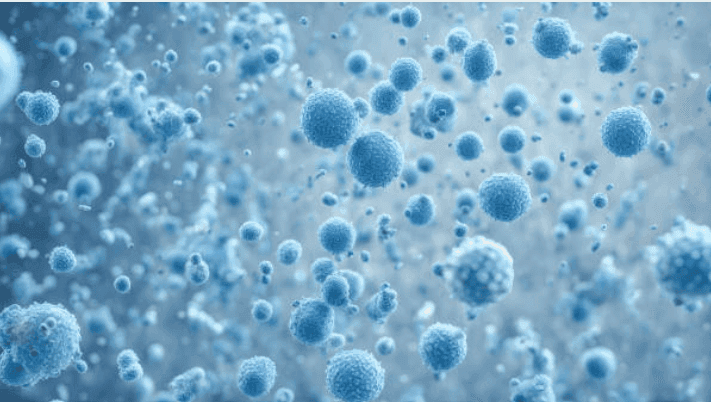
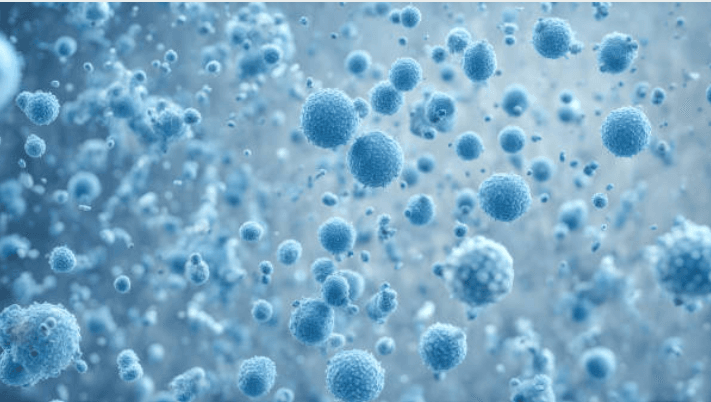
Lactobacilli; lactobacillus probiotics; lactic acid bacteria (LAB).
Family
Lactobacillaceae
Parts Used
Not a plant — whole living cells (specific strains) are used in foods, fermented products and as dietary supplements (capsules, powders, fermented dairy, vaginal suppositories, etc.).
Native To
Widespread: many species are commensals of human and animal gastrointestinal and genitourinary tracts, found in fermented foods and in diverse environmental niches (dairy, plants, insects). Distribution depends on species/strain.
Historical and Traditional Uses:
Traditionally associated with fermentation of dairy, vegetables and other foods (yogurt, kefir, sauerkraut, pickles). Historically consumed for food preservation and digestion; modern use emphasizes defined probiotic strains for gut/vaginal health.
Chemical Composition:
- Lactic acid (L- and D-isomers): lowers local pH inhibits pathogens.
- Bacteriocins and antimicrobial peptides: small, strain-specific proteins that inhibit closely related bacteria and pathogens.
- Hydrogen peroxide (H₂O₂): some vaginal/commensal strains produce H₂O₂ that inhibits pathogens.
- Exopolysaccharides (EPS) and surface molecules: modulate adhesion, biofilm formation, and immune signalling.
- **Short-chain fatty acids (products via microbial metabolism, indirectly): may be promoted by probiotic activity and affect gut barrier and immune responses.
Pharmacological Properties:
- Colonization/competitive exclusion: occupy adhesion sites and compete with pathogens.
- pH modulation: lactic acid production acidifies locales (gut/vagina) unfavourable for many pathogens.
- Production of antimicrobials: bacteriocins, H₂O₂ and organic acids directly inhibit pathogens.
- Barrier and mucosal effects: enhance tight-junction integrity and mucus production in gut models.
- Immune modulation: interact with epithelial and immune cells (TLR signalling, cytokine modulation) can increase anti-inflammatory responses or boost mucosal immunity depending on strain and context.
Evidence-Based Uses and Key Benefits:
- Prevention and reduction of antibiotic-associated diarrhea (AAD) and pediatric AAD:
- Multiple meta-analyses and Cochrane reviews support that certain lactobacilli (notably L. rhamnosus GG) reduce the risk/duration of AAD in children and adults. Dose and strain matter.
- Acute infectious diarrhea (children):
- L. rhamnosus GG has evidence to shorten duration of acute gastroenteritis in children in RCTs and meta-analyses.
- Bacterial vaginosis (BV) prevention of recurrence / adjunct therapy:
- Vaginal or oral lactobacilli (e.g., L. crispatus formulations like Lactin-V) used after antibiotic therapy have shown reduced recurrence of BV in randomized trials (NEJM trial for Lactin-V showed reduced recurrence). Meta-analyses support benefit for some probiotic regimens.
- Vaginal health / prevention of urogenital infections:
- Data suggest restoration of lactobacilli flora can support vaginal health and reduce colonization by pathogens; evidence strongest for specific strain formulations.
-
Cholesterol / lipid modulation (modest): Several systematic reviews/meta-analyses indicate some lactobacilli (for example L. reuteri, L. plantarum) can modestly reduce total/LDL cholesterol in humans effect sizes are small and heterogeneous.
-
Irritable bowel syndrome (IBS) and gut symptom relief (mixed evidence):
- Some trials show symptomatic benefit from particular Lactobacillus strains; overall evidence heterogeneous and strain-dependent. Systematic reviews call for strain-specific recommendations.
- Adjunct to H. pylori treatment / other GI uses (emerging):
- Some strains may reduce side effects of eradication therapy and improve tolerance; evidence is supportive but variable.
- Immune/respiratory benefits (limited/modest):
- Trials are mixed some show modest reductions in duration of respiratory symptoms; evidence is not uniformly strong and depends on strain/population.
Counter Indications:
- Severely immunocompromised patients (e.g., neutropenia, hematopoietic cell transplant recipients, critical ICU patients): case reports and series document instances of Lactobacillus bacteremia or sepsis genetically linked to probiotic strains; many expert bodies advise caution or avoidance in high-risk inpatients.
- Cambridge University Press & Assessment Severe organ failure / critically ill with central venous catheters: increased risk of translocation and bloodstream infection has been reported.
- Patients with prosthetic heart valves or endocarditis risk may need case-by-case evaluation (rare cases of endocarditis reported)
Side Effects:
- Common, mild: flatulence, mild bloating, transient constipation or loose stools on starting therapy.
- Uncommon but serious (rare): bacteremia, sepsis, endocarditis caused by Lactobacillus species predominantly in persons with immune compromise, severe comorbidity or central lines. Published case reports and reviews document these rare events.
Drug Interactions:
- Antibiotics: major practical interaction many antibiotics kill probiotic bacteria; if coadministered, separate timing (common pragmatic advice: take probiotics 1–2 hours apart from antibiotics) or use antibiotic-resistant probiotic yeasts (e.g., Saccharomyces boulardii) when appropriate. Evidence supports benefit of some probiotics taken during/after antibiotics to prevent AAD, but timing and choice of strain matter.
- Immunosuppressants / biologics: no direct, widespread pharmacokinetic interactions documented, but immunosuppressed patients have higher risk of invasive infection from live microorganisms use caution.
- Herbs / adaptogens with antimicrobial action (e.g., strong herbal antimicrobials): theoretical reduction in probiotic viability if taken simultaneously (no robust human RCT data), so staggering dosing may be sensible.
- Drugs affected by gut microbiota (general note): emerging literature shows gut microbes can modulate drug metabolism and bioavailability (e.g., some chemotherapeutics, cardiac drugs). Probiotics can theoretically alter microbiome composition and thus drug microbiome interactions clinical significance is still being defined. Monitor when using narrow-therapeutic-index drugs.
Research and White Paper Links:
- vaginal infections: https://pmc.ncbi.nlm.nih.gov/articles/PMC10106725/
Conclusions:
“Lactobacillus” (sensu lato) encompasses many species/strains with distinct actions. The strongest human evidence supports: Prevention of antibiotic-associated diarrhea (including some reduction in CDAD) using defined probiotic products, and Reduction of infantile colic in breastfed infants with L. reuteri DSM 17938, with mixed/limited evidence for IBS, BV (adjunct), and H. pylori (adjunct). Benefits are strain- and indication-specific; choose named strains at studied doses and durations. Use caution in high-risk patients (immunocompromised, ICU, central lines, preterm infants). For product development or clinical use, align with FAO/WHO evaluation guidance and AGA 2020 recommendations, and reference EFSA QPS for organism safety not efficacy.