Science-Backed Rituals for Hormonal Balance, Sleep and Mood. Free Shipping.
 Terrapy Home
Search

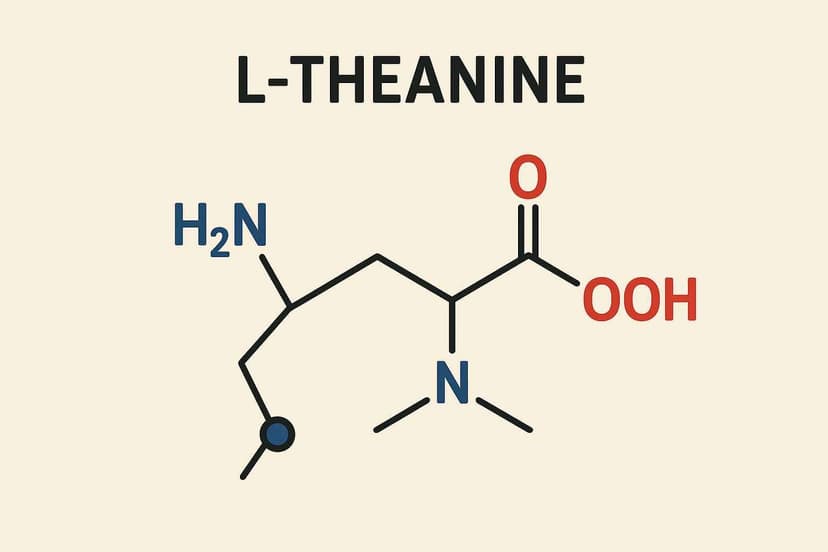
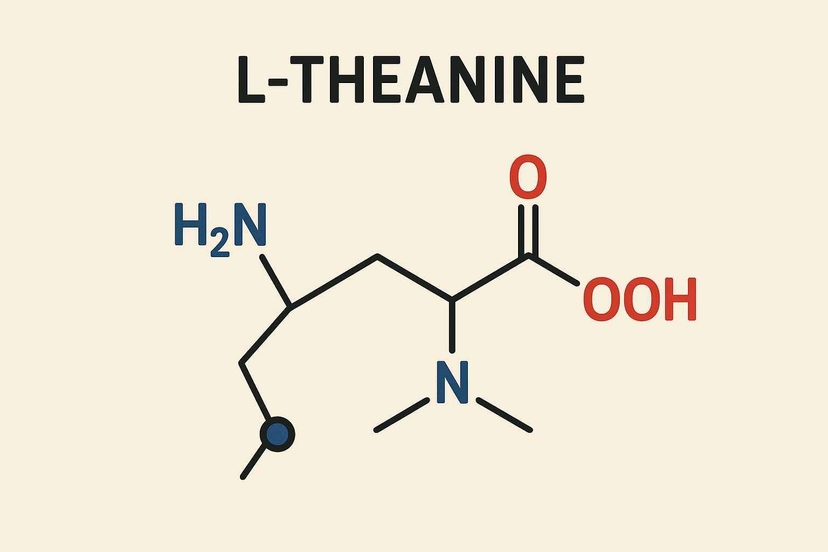
Bioactive
Common Name
Theanine,
L-theanine,
Y-Glutamylethylamide,
Theanine (from tea)
Family
It is a free amino acid primarily found in Camellia sinensis (tea plants).
Parts Used
Leaves of Camellia sinensis (green tea contains theanine naturally). Supplements use isolated L-theanine (synthetic or extracted).
Native To
Tea (Camellia sinensis) is native to East and Southeast Asia; L-theanine is abundant in tea leaves grown worldwide.
Historical and Traditional Uses:
Consumed for centuries as part of tea traditionally associated with relaxation, improved clarity during meditation, and reduced “jittery” effects of caffeine. Modern use isolates L-theanine as a nutraceutical for stress, relaxation, attention and sleep support.
Chemical Composition:
- Pharmacokinetics (summary): orally absorbed, crosses the blood–brain barrier in animals and humans, peak plasma levels usually within ~30–120 minutes, half-life roughly ~1–2 hours depending on study and formulation. Effects are typically transient (hours).
Pharmacological Properties:
- L-theanine acts via multiple, complementary neurochemical mechanisms that underpin its calming and cognitive effects:
- GABAergic modulation: increases brain GABA levels and may enhance GABAergic neurotransmission (promotes relaxation).
- Glutamate receptor effects: has modulatory/antagonist actions at glutamate (excitatory) receptors (AMPA/ NMDA/ kainate), which can reduce excitatory tone.
- Monoamine effects: may increase brain serotonin and dopamine concentrations in some brain regions (linked to mood/cognition).
- Alpha-wave promotion: human EEG studies show increased alpha-band activity (calm, wakeful state) after single doses.
- Synergy with caffeine: when combined with caffeine, L-theanine tends to reduce caffeine’s jittery/pressuring effects while supporting attention/alertness (commonly used 2:1 theanine:caffeine dosing in cognitive studies).
Evidence-Based Uses and Benefits:
- Acute stress / subjective stress reduction:
- Several randomized placebo-controlled trials and recent reviews show L-theanine reduces subjective stress and anxiety measures in healthy adults and people with stress-related complaints. A notable RCT (Hidese et al.) used 200 mg/day for 4 weeks and found reductions in stress-related symptoms and some cognitive improvements. Systematic reviews reinforce anxiolytic potential.
- Improved attention and cognitive performance (especially when combined with caffeine):
- Human studies show that L-theanine alone and L-theanine + caffeine can improve attention, reaction time and some aspects of cognition during cognitively demanding tasks while maintaining a calm state (alpha activity). Meta-analyses of tea compounds and focused RCTs support modest, acute cognitive benefits.
- Sleep quality (supportive evidence, especially for sleep onset/quality in some populations):
- Systematic reviews and RCTs report improvements in sleep quality and sleep latency in some studies, though effects vary by population and dose. Recent pooled analyses indicate potential modest benefit on subjective sleep outcomes.
- Blood pressure and stress-related cardiovascular responses: Meta-analyses indicate that L-theanine can blunt blood pressure increases during acute psychological or physical stress in some settings, suggesting utility for stress-related cardiovascular reactivity. Effects on resting BP are small and inconsistent. Drugs.com
- Adjunctive uses (preliminary / emerging):
- Early trials and reviews explore roles in mood disorders, ADHD, and neurocognitive preservation evidence is promising but not yet definitive; larger targeted RCTs are needed. Systematic reviews in psychiatry report potential symptom reduction but call for more robust trials.
Counter Indications:
- Pregnancy and breastfeeding: safety data are limited. Official resources advise caution or avoidance of high-dose supplemental L-theanine during pregnancy and breastfeeding because there is insufficient safety data for the infant. (Dietary amounts from tea are generally considered acceptable in moderation.)
- Severe hepatic/renal impairment or unstable medical conditions: limited human safety data in these groups consult a clinician.
- Patients where increased sedation is hazardous: use caution if performing tasks requiring high alertness (driving, operating machinery) until you know how you personally respond, especially combined with other sedatives.
Side Effects:
- Common / mild: headache, gastrointestinal upset, dizziness, transient sedation in some individuals (rare). Most RCTs report minimal adverse effects at studied doses.
- Uncommon / serious: no widespread reports of severe toxicity from typical supplemental doses in healthy adults. However, because theoretical interactions exist (see below), caution is warranted with sedatives, hypotensive agents, and in certain vulnerable populations.
Drug Interactions:
- Sedatives / CNS depressants (benzodiazepines, Z-drugs, some antihistamines, alcohol): L-theanine may increase sedative effects or drowsiness when combined with central nervous system depressants; monitor for additive sedation. Consult your clinician before combining.
- Antihypertensive medications: L-theanine can modestly lower stress-related BP responses; co-administration with blood-pressure lowering drugs could theoretically augment hypotensive effects (evidence mainly from animal/physiologic studies). Monitor BP if combined with antihypertensives.
- Stimulants / caffeine: generally complementary many studies combine L-theanine with caffeine and show improved cognitive performance and reduced jitter. If you intentionally want the relaxing-only effect, avoid simultaneous high-dose caffeine.
- Herbs/adaptogens with sedative or hypotensive effects (e.g., valerian, kava, high-dose magnesium, bacopa, ashwagandha): potential for additive sedation or BP effects monitor and consult a clinician. Direct RCT evidence is limited; practical advice is to be cautious and stagger/monitor.
Research and White Paper Links:
- Stress and Anxiety: https://pmc.ncbi.nlm.nih.gov/articles/PMC6836118/
- Cognition and Mood: https://pmc.ncbi.nlm.nih.gov/articles/PMC8080935/
Conclusions:
- What it does best: L-theanine is a well studied tea amino acid that promotes relaxation without sedation, can reduce subjective stress, may improve attention and cognitive performance (especially with caffeine), and shows modest evidence for improving sleep quality in some people. Effects are usually modest but consistent across trials for stress and acute attention outcomes.
- Safety: Generally well tolerated at common supplemental doses (100–400 mg/day) in healthy adults. Avoid or use caution during pregnancy/breastfeeding, and consult a healthcare professional if you have serious medical conditions or are on sedatives or antihypertensives.
- Evidence strength: Moderate several good RCTs + systematic reviews/meta-analyses support anxiolytic, cognitive and sleep benefits; more large, longer trials would refine optimal dosing and populations (e.g., clinical anxiety disorders, long-term use, elderly, children).


Tips, Updates & Stories
We respect your privacy. No spam, only wellness.


Tips, Updates & Stories
We respect your privacy. No spam, only wellness.
© 2025 Terrapy. All Rights Reserved.
