Terrapy Home

Common Name
L-Arginine,
Arginine
Family
Amino Acid
Parts Used
Synthetic or extracted from dietary sources (e.g., meat, fish, dairy, and nuts).
Native To
Naturally produced in the body and available in various protein-rich foods worldwide.
Historical and Traditional Uses:
Medical Use: Initially studied for its role in enhancing wound healing, improving cardiovascular health, and promoting immune function. Sports Nutrition Popularized for improving blood flow, endurance, and muscle recovery in athletes. Traditional Medicine Arginine-rich foods like nuts and seeds were traditionally consumed for stamina and vitality.
Chemical Composition:
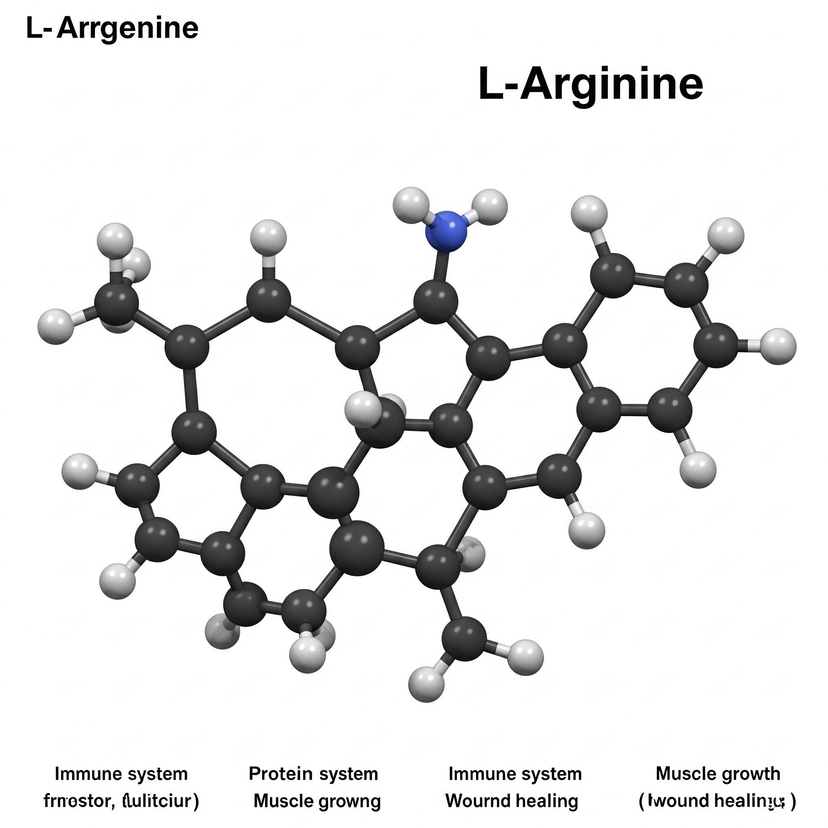
L-Arginine is a semi-essential amino acid that serves as a precursor to nitric oxide (NO). Its primary metabolites include:
- Nitric Oxide (NO): A critical molecule for vasodilation and blood flow.
- Ornithine and Urea: Byproducts in the urea cycle, aiding in detoxification of ammonia.
- Polyamines: Essential for cell proliferation and repair.
Pharmacological Properties:
- Vasodilator: Increases nitric oxide production, improving blood vessel dilation.
- Immunomodulatory: Enhances immune system function.
- Antioxidant: Reduces oxidative stress and promotes cellular repair.
- Anabolic: Promotes protein synthesis and muscle repair.
- Detoxifying: Aids in the removal of ammonia from the body.
Evidence-Based Uses and Benefits:
- Cardiovascular Health:
- Effect: Improves blood flow, lowers blood pressure, and enhances endothelial function.
- Key Study: Boger et al., 2005 demonstrated the role of L-Arginine in managing hypertension.
- Erectile Dysfunction (ED):
- Mechanism: Enhances nitric oxide levels, improving blood flow to the penile tissues.
- Study Reference: Research supports its efficacy in mild-to-moderate ED cases.
-
Athletic Performance: Use: Improves endurance, reduces fatigue, and enhances recovery by increasing oxygen delivery to muscles. Evidence: Studies show improved performance in athletes consuming L-Arginine supplements.
-
Wound Healing:
- Effect: Promotes collagen synthesis and tissue repair.
- Research Insight: Used clinically to accelerate healing in surgical and burn patients.
- Immune Support:
- Mechanism: Enhances T-cell function and cytokine production, improving immune responses.
- Fertility Support:
- Use: Improves sperm motility and count in men; enhances ovarian blood flow in women.
Counter-Indications:
- Severe liver or kidney disease (may exacerbate ammonia toxicity).
- Herpes simplex virus (may promote viral replication).
- Low blood pressure (may cause excessive vasodilation).
Side Effects:
- Mild gastrointestinal discomfort (e.g., bloating, nausea, or diarrhea).
- Rare cases of headache or dizziness.
- Potential for lowering blood pressure too much in sensitive individuals.
Drug Interactions:
- Antihypertensive Drugs: May enhance blood pressure-lowering effects.
- Nitrates or ED Medications: Additive effects with medications like sildenafil (Viagra).
- Anticoagulants: Potentially increases bleeding risk when combined with blood thinners.
- Herbs: Use cautiously with vasodilatory herbs (e.g., ginkgo, garlic).
Research and White Papers with Links
-
Cardiovascular Health: L-Arginine's role in hypertension management
-
Erectile Dysfunction: Studies on L-Arginine in ED treatment
-
Athletic Performance: Clinical evidence supporting its ergogenic effects
Conclusion:
L-Arginine is a versatile amino acid with a wide range of therapeutic applications, including cardiovascular health, athletic performance, and immune support. Its ability to boost nitric oxide production makes it particularly effective for improving blood flow, reducing inflammation, and supporting tissue repair. While generally safe, care should be taken in individuals with specific health conditions or when combining it with certain medications.