Terrapy Home
Glycine
Common Name
Glycine,
Aminoacetic acid
Family
Not applicable (nutrient/amino acid).
Parts Used
Pure L-glycine (crystalline powder or capsules).
Native To
Endogenous (synthesized in humans) and obtained from dietary proteins (e.g., collagen/gelatin, meat, dairy, legumes).
Historical and Traditional Uses:
Used as a surgical irrigant historically (TURP), and more recently as a nutraceutical for sleep quality, metabolic support (as part of GlyNAC with N-acetylcysteine), and as an adjunct in research for schizophrenia via NMDA receptor co-agonism.
Chemical Composition:
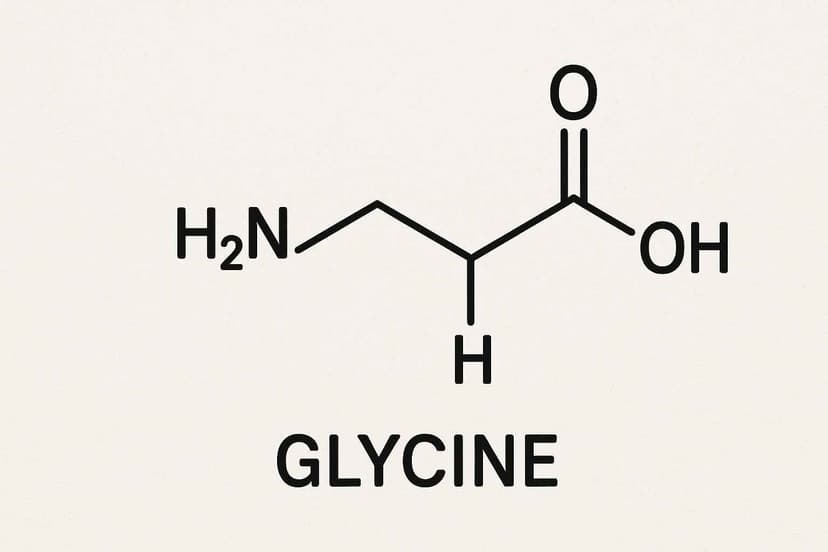
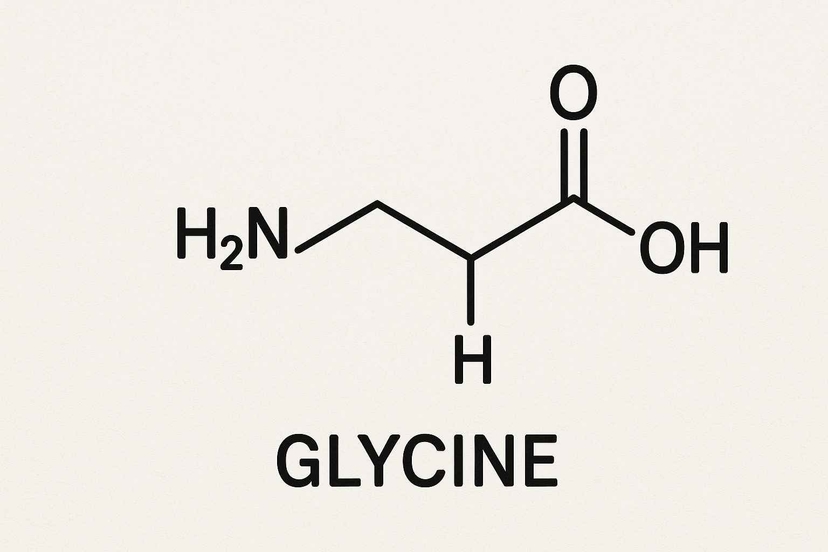
- Single amino acid (C₂H₅NO₂). In vivo, glycine is a:
- Proteinogenic amino acid (collagen is ~1/3 glycine).
- Glutathione precursor (added in step 2 of GSH synthesis).
Pharmacological Properties:
- Neurotransmission: Acts as a major inhibitory neurotransmitter (spinal/brainstem GlyR) and as a co-agonist at NMDA receptors (GluN1 “glycine site”), modulating synaptic plasticity and sleep-related pathways.
- Thermoregulation & sleep: Oral 3 g pre-bed modestly lowers core body temperature and shortens sleep-onset latency in small human trials.
- Redox/mitochondria: Supplies glycine for glutathione; in combo with NAC (GlyNAC) improves GSH status and related metabolic/mitochondrial markers in older adults.
Evidence-Based Uses and Benefits:
- Sleep quality & next-day functioning (3 g at bedtime):
- Randomized, double-blind, crossover studies in poor sleepers and in sleep-restricted healthy adults show improved subjective sleep quality, reduced fatigue/sleepiness, and small core-temperature drops; effects are modest and short-term.
- Glutathione/oxidative stress:
- (with NAC): RCTs of GlyNAC (2.4–7.2 g/day total for 2 weeks; longer studies also published) report improved GSH deficiency, oxidative stress, mitochondrial function, and several aging-related markers. Glycine alone contributes the terminal step in GSH synthesis, but most clinical data use the combo.
- Schizophrenia (adjunct, research context): Multiple small RCTs of high-dose glycine (up to 0.8 g/kg/day) added to antipsychotics showed improvements in negative symptoms when combined with some agents (e.g., risperidone/olanzapine), but not with clozapine and findings are inconsistent; newer approaches target GlyT1 transporters. This remains investigational.
Emerging/limited areas: Small pilot data suggest possible benefits in cystic fibrosis pulmonary outcomes (8 weeks), but larger confirmatory trials are needed.
Counter-Indications:
- Clozapine treated schizophrenia: Adjunct glycine may worsen symptoms or provide no benefit; avoid unless under specialist guidance.
- Renal or hepatic impairment, urea cycle disorders: Use caution with any amino-acid supplementation; supervise medically. (General precaution; limited direct trial data.)
- History of calcium oxalate kidney stones: High amino-acid loads can influence glyoxylate/oxalate metabolism; an older study in stone formers found urinary oxalate increased with added glycine, although IV glycine loading in healthy men did not raise oxalate so risk may be context-dependent. Consider moderation and adequate hydration.
- Pregnancy/lactation: Insufficient robust data at supplemental doses avoid high dose use unless advised by a clinician.
Side Effects:
Generally well-tolerated at common doses (e.g., 3 g). Reported effects: GI upset (nausea, loose stools) and daytime drowsiness in some, especially at higher doses; high doses used in psychiatric trials (e.g., 60 g/day) were tolerated under supervision.
Drug Interactions:
- Clozapine: See counter-indications (adjunct glycine may worsen symptoms). Psychiatry Online
- Other antipsychotics: Variable adjunct effects on negative symptoms; specialist oversight recommended if attempted.
- GlyT1 inhibitors / NMDA-modulators: Mechanistic overlap (raise synaptic glycine/NMDA tone); concomitant use belongs in research/clinical specialist settings.
Research and White Paper Links:
Conclusion:
Glycine is a versatile amino acid with human RCT evidence for modest improvements in sleep quality/next-day alertness at 3 g pre-bed, mechanistic and clinical support (mostly as GlyNAC) for glutathione/oxidative stress and mitochondrial markers, and research-only adjunct potential in schizophrenia (with important exceptions around clozapine). It’s generally safe for healthy adults; use caution in kidney stone formers, renal/hepatic impairment, and avoid adjunct use with clozapine unless supervised. Match dose to indication, and avoid extrapolating beyond the evidence