Terrapy Home

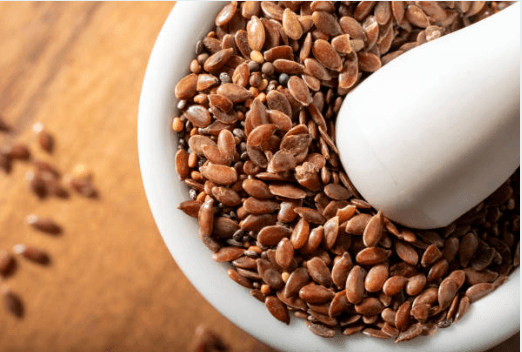
Common Name
Flax, linseed
Family
Linaceae
Parts Used
Seed (whole or ground/meal), seed oil; standardized lignan concentrates (SDG) exist for research/industry
Native To
Domesticated in SW Asia (Türkiye→Iran/Fertile Crescent) and now cultivated widely in temperate regions.
Historical and Traditional Uses:
Food and fiber crop for millennia (linen from stems; “linseed” oil). Seeds traditionally used as a bulk-forming laxative and for digestive comfort; modern interest centers on cardiometabolic support (ALA omega-3, fiber), lignans (phytoestrogens/antioxidants), and constipation relief.
Chemical Composition:
- Lipids: ~40–45% oil; very high alpha-linolenic acid (ALA, n-3) (~50–55% of fat), with linoleic (n-6) and oleic acids. One 28 g (≈2 Tbsp) serving provides ~6.5 g ALA.
- Fiber:~8 g/28 g (mix of soluble/insoluble).
- Lignans: chiefly secoisolariciresinol diglucoside (SDG) → gut conversion to enterolactone/enterodiol (weak selective estrogen-receptor modulators; antioxidant).
- Micronutrients/other: good magnesium, thiamin, potassium; phenolic acids and flavonols.
Pharmacological Properties:
- Cardiometabolic: ALA provides plant omega-3; fiber and lignans improve lipid and glycemic parameters; fermentation → SCFAs (metabolic & gut effects).
- Endocrine/estrogenic modulation: SDG-derived enterolignans show weak estrogenic/anti-estrogenic activity (context-dependent), supporting research in hormone-related conditions.
- GI: Mucilage + insoluble fiber increase stool bulk/water content (laxation).
Evidence-Based Uses and Benefits:
1. Blood Pressure (oral flaxseed products) Meta-analyses of RCTs
- 2024 systematic review in hypertensive adults: flaxseed lowered SBP by ~4–5 mmHg and DBP by ~3 mmHg (random-effects; RCTs). Magnitude favored longer duration and whole-seed formats.
2. Lipids (cholesterol) Systematic review & dose–response meta-analysis
- Across dyslipidemic populations, flaxseed products reduced LDL-C and total cholesterol, with whole/ground seed outperforming oil or isolated lignans; effects scaled with dose/duration.
3.Glycemic control in T2D/prediabetes Meta-analyses
- RCT meta-analysis reports significant HbA1c reduction (small but meaningful) with flaxseed supplementation; benefits were driven by whole/ground seed, not oil alone.
4. Constipation (functional) Randomized controlled trials
- In **constipated **adults with T2D, 10 g ground flaxseed twice daily (in food) for 12 weeks improved constipation scores and secondary metabolic endpoints vs placebo. Comparable trial vs psyllium also showed symptom benefit.
5) Women’s health / hormone-related outcomes Emerging/heterogeneous
- Epidemiology & biomarker-based trials link higher lignan intake/enterolactone levels with favorable breast/prostate proliferation markers, but clinical outcome evidence remains inconclusive; use claims cautiously. **Weight/anthropometrics:**recent meta analyses show inconsistent effects on body weight/BMI; not a weight-loss intervention
Counter Indications:
- Bowel obstruction risk / severe stricture, dysphagia: avoid or use only with medical supervision due to bulk-forming action.
- Allergy: rare seed allergy possible.
- Pregnancy/Lactation: flax as food is generally considered acceptable; supplement-level dosing has limited data use prudently and discuss with clinician.
Side Effects:
- Common: bloating, gas, softer stools/diarrhea when initiated at higher doses.
- If taken without fluids: may worsen constipation or (rarely) contribute to intestinal blockage.
- Cyanogenic glycosides: raw seeds contain trace CNGs; usual culinary intakes are well below acute risk, and processing/cooking reduce levels. EFSA sets a general acute reference dose for cyanide that informs risk management across foods
Drug Interactions:
- Oral medications/supplements: separate by ≥2 hours; flax fiber can reduce absorption of concomitant oral drugs.
- Antihypertensives/antidiabetics: additive effects possible as flax improves BP and glycemia in trials monitor and adjust therapy with a clinician.
- Anticoagulants/antiplatelets: ALA has mild theoretical antiplatelet effects; clinically meaningful bleeding signals at dietary doses are not well established, but use caution perioperatively and with multi-agent regimens.
Research and White Papers with Links:
1. Blood pressure: https://pubmed.ncbi.nlm.nih.gov/25740909/
2. Lipids: https://pmc.ncbi.nlm.nih.gov/articles/PMC7690987/
3. Glycemia: https://pmc.ncbi.nlm.nih.gov/articles/PMC9503020/
4. Constipation: https://pmc.ncbi.nlm.nih.gov/articles/PMC5944250/
5. ALA omega-3 background: https://pmc.ncbi.nlm.nih.gov/articles/PMC2989356/
6. Safety/medication absorption & general cautions: https://pmc.ncbi.nlm.nih.gov/articles/PMC11945857/
Conclusions:
Flaxseed (L. usitatissimum) is a nutrient-dense functional food. The strongest evidence supports modest reductions in blood pressure and LDL-cholesterol, small improvements in glycemic control (with ground seed), and effective relief of functional constipation. For most outcomes, ground seed at 10–30 g/day in divided doses with sufficient water is the best-supported form. Align product/label claims with outcomes shown in RCTs; apply standard precautions for medication spacing, GI contraindications, and perioperative care.