Terrapy Home
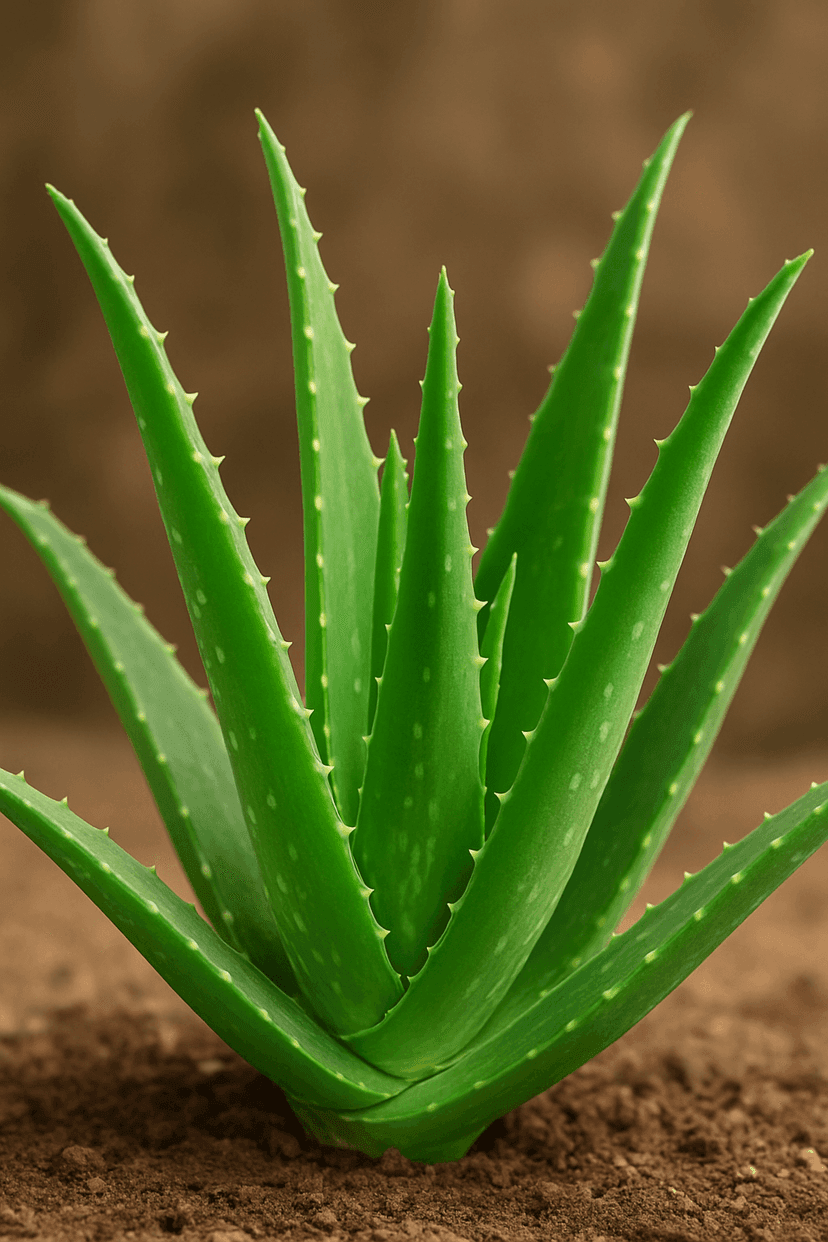
Common Name
Aloe,
Ghritkumari (Sanskrit/Hindi),
Lu Hui (Chinese),
Kumari,
Barbados Aloe
Family
Asphodelaceae (formerly Liliaceae)
Parts Used
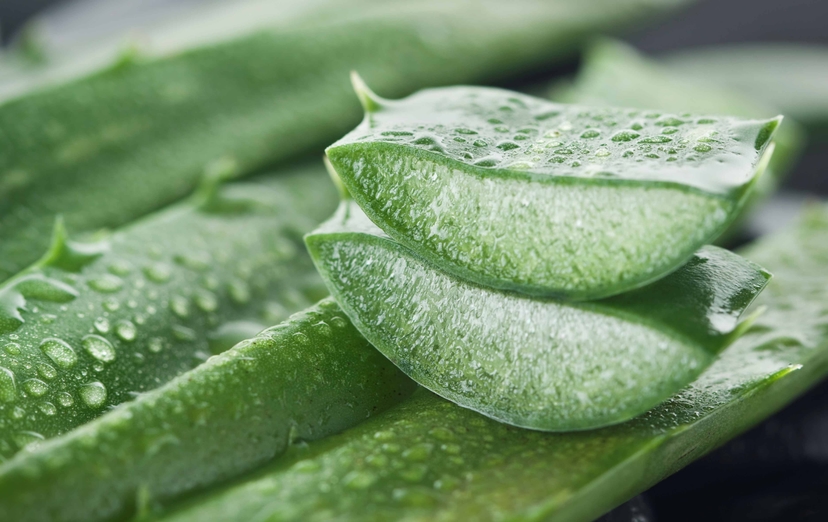
Fresh leaf gel (inner parenchyma); dried latex (yellow sap beneath the rind); whole leaf extract (less common, regulated)
Native To
Likely native to the Arabian Peninsula; widely cultivated in tropical, subtropical, and arid regions (India, Africa, Mediterranean, Americas).
Historical and Traditional Uses:
Used in Ayurveda, Traditional Chinese Medicine, and Greco-Arab systems for skin ailments, digestive issues, and wound healing. Egyptian texts call it the “plant of immortality.” Ayurvedic texts classify it as Rasayana (rejuvenating) and prescribe for skin disorders, constipation, female reproductive health, and wound healing. Traditional external use: burns, wounds, eczema, psoriasis. Traditional internal use: constipation (latex), digestive tonics, liver ailments.
Chemical Composition:
- Polysaccharides (acemannan, glucomannan): immunomodulatory, wound healing.
- Anthraquinones (aloin, aloe-emodin, barbaloin): laxative, antimicrobial; concentrated in latex.
- Chromones (aloesin): skin-lightening, anti-inflammatory.
- Vitamins: A, C, E, B12, folic acid, choline.
- Minerals: Calcium, magnesium, zinc, selenium.
- Enzymes: Bradykinase, amylase, lipase.
- Amino acids: Essential and non-essential amino acids.
Pharmacological Properties:
- Wound healing & skin repair: Stimulates fibroblast activity, collagen deposition, and keratinocyte proliferation.
- Anti-inflammatory: Inhibits cyclooxygenase (COX) pathway and prostaglandin synthesis.
- Immunomodulatory: Acemannan enhances macrophage and cytokine activity.
- Antimicrobial: Anthraquinones exhibit antibacterial, antifungal, and antiviral activity.
- Laxative: Aloin and aloe-emodin increase intestinal peristalsis.
- Antioxidant: Vitamins, phenolics, and polysaccharides neutralize free radicals.
Evidence-Based Uses and Benefits:
1.Skin Health & Wound Healing:
- Topical gel accelerates healing in burns, frostbite, surgical wounds, and psoriasis.
- Randomized trials: aloe cream effective in psoriasis and genital herpes management.
- Cosmetic use: moisturization, skin elasticity, anti-aging.
2.Digestive Health:
- Constipation relief via anthraquinone laxative effect (latex); effective but associated with safety concerns.
- Possible benefit in irritable bowel syndrome (IBS) and ulcerative colitis (small clinical trials; mixed results).
3.Metabolic Health:
- Some RCTs show aloe gel/juice improves fasting blood glucose and lipid profile in type 2 diabetes.
- Potential adjunct in metabolic syndrome (further large trials needed).
4.Oral Health:
- Aloe mouthwash reduces dental plaque, gingivitis, and oral lichen planus symptoms.
5.Dermatological & Cosmetic:
- Skin lightening: aloesin inhibits tyrosinase.
- Used in cosmetic formulations for anti-wrinkle, hydration, UV protection.
Counter Indications:
Pregnancy & lactation: Avoid oral latex (risk of uterine contractions, miscarriage, neonatal toxicity). Children: Not recommended orally due to laxative potency. Intestinal conditions: Avoid in Crohn’s disease, ulcerative colitis (latex may worsen symptoms). Kidney disease: High doses may cause electrolyte imbalance.
Side Effects:
Topical: Rare contact dermatitis or allergic reactions. Oral latex: Abdominal cramps, diarrhea, dehydration, electrolyte imbalance (hypokalemia). Chronic use of latex: Associated with pseudomelanosis coli and possibly colorectal cancer risk (long-term use not advised). FDA warning: Aloe latex-containing laxatives not considered safe OTC due to insufficient safety data.
Drug Interactions:
- Hypoglycemic agents/insulin: May potentiate glucose-lowering effects.
- Diuretics & corticosteroids: Risk of potassium depletion when combined with aloe latex.
- Cardiac glycosides (digoxin): Increased toxicity risk with hypokalemia.
- Anticoagulants/antiplatelets: Potential additive bleeding risk (limited evidence).
Herbal interactions: With other laxatives (senna, cascara) → increased risk of dehydration/electrolyte imbalance. With adaptogens like ashwagandha or ginseng (blood sugar-lowering) → monitor for hypoglycemia.
Research and White Papers with Links:
1. A new treatment for atrophic vaginitis: https://www.sciencedirect.com/science/article/abs/pii/S0378874120336485?via%3Dihub
2. Clinical research & wound reviews: https://pmc.ncbi.nlm.nih.gov/articles/PMC6330525/
3. Meta-analysis glycemic effects: https://pubmed.ncbi.nlm.nih.gov/27009750/
4. Safety review hepatotoxicity: https://www.ncbi.nlm.nih.gov/books/NBK548634/
5. Pharmacological update / review: https://pmc.ncbi.nlm.nih.gov/articles/PMC7144722/
6. Government clinical guidance & consumer safety summary: https://pmc.ncbi.nlm.nih.gov/articles/PMC6349368/
Conclusions:
Aloe vera is a widely used botanical with plausible topical benefits for minor burns, wounds and skin hydration (driven largely by polysaccharide and anti-inflammatory activities). Oral uses (metabolic, glycemic control) show promising but heterogeneous clinical findings and depend strongly on the preparation (gel vs whole-leaf vs latex). Safety depends on formulation: latex/anthraquinone-containing products carry laxative and potential hepatotoxic risks and are not recommended for prolonged oral use, in pregnancy, or in infants. Prefer standardized, latex-free inner-gel products for topical and oral use when appropriate, and consult a clinician before using oral aloe if diabetic, pregnant, breastfeeding, or taking medications (especially hypoglycemics, warfarin, hepatically metabolized drugs)